Elevate your local knowledge
Sign up for the iNFOnews newsletter today!
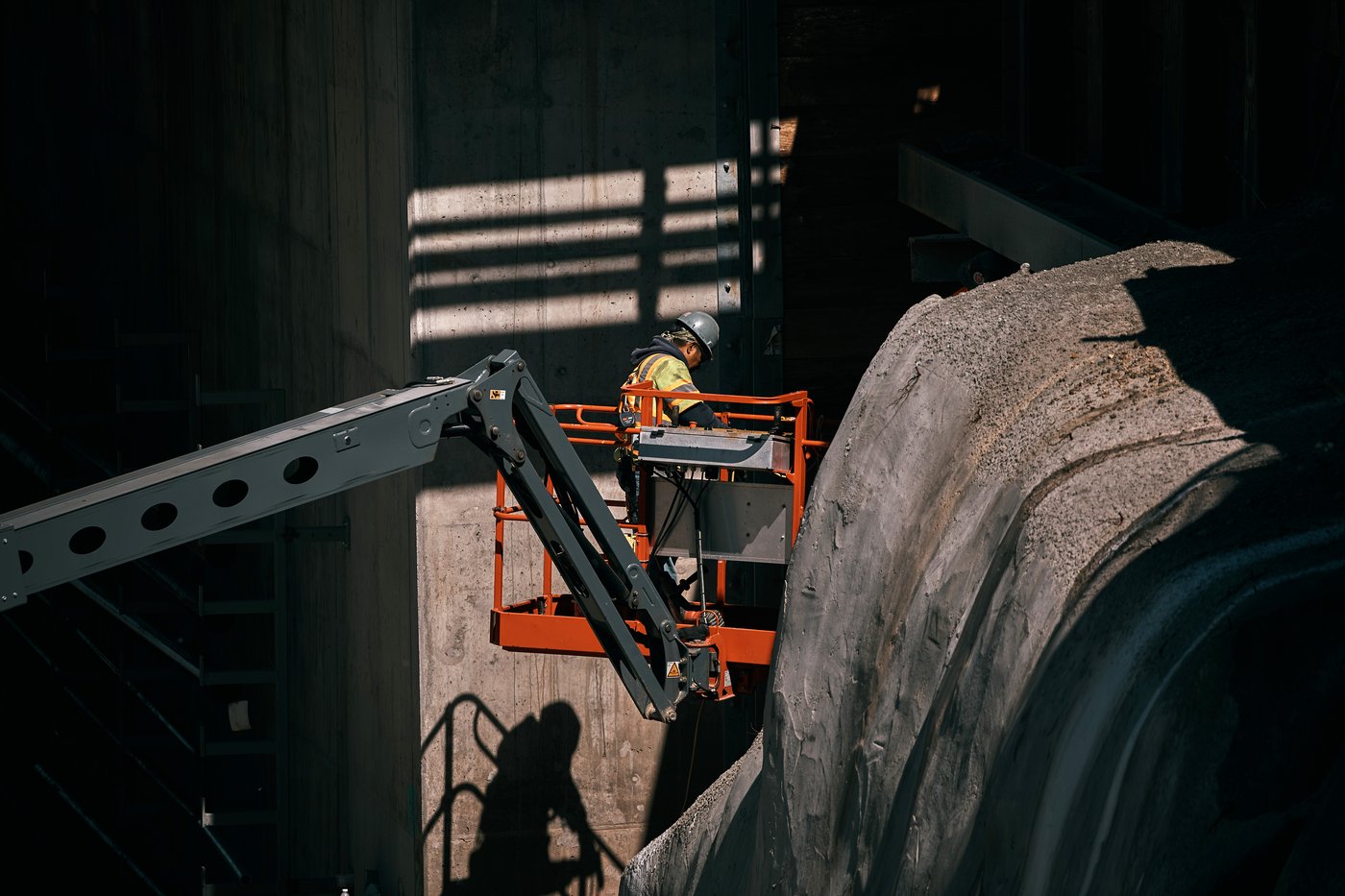
NORTH BERGEN, N.J. (AP) — When the original train tunnel beneath the Hudson River connecting Manhattan to New Jersey was built more than a century ago, workers toiled with picks and shovels from each side until eventually meeting in the middle.
A new tunnel, one of the largest U.S. mass transit projects in generations and which is expected to cost $16 billion, will take a decidedly modern approach.
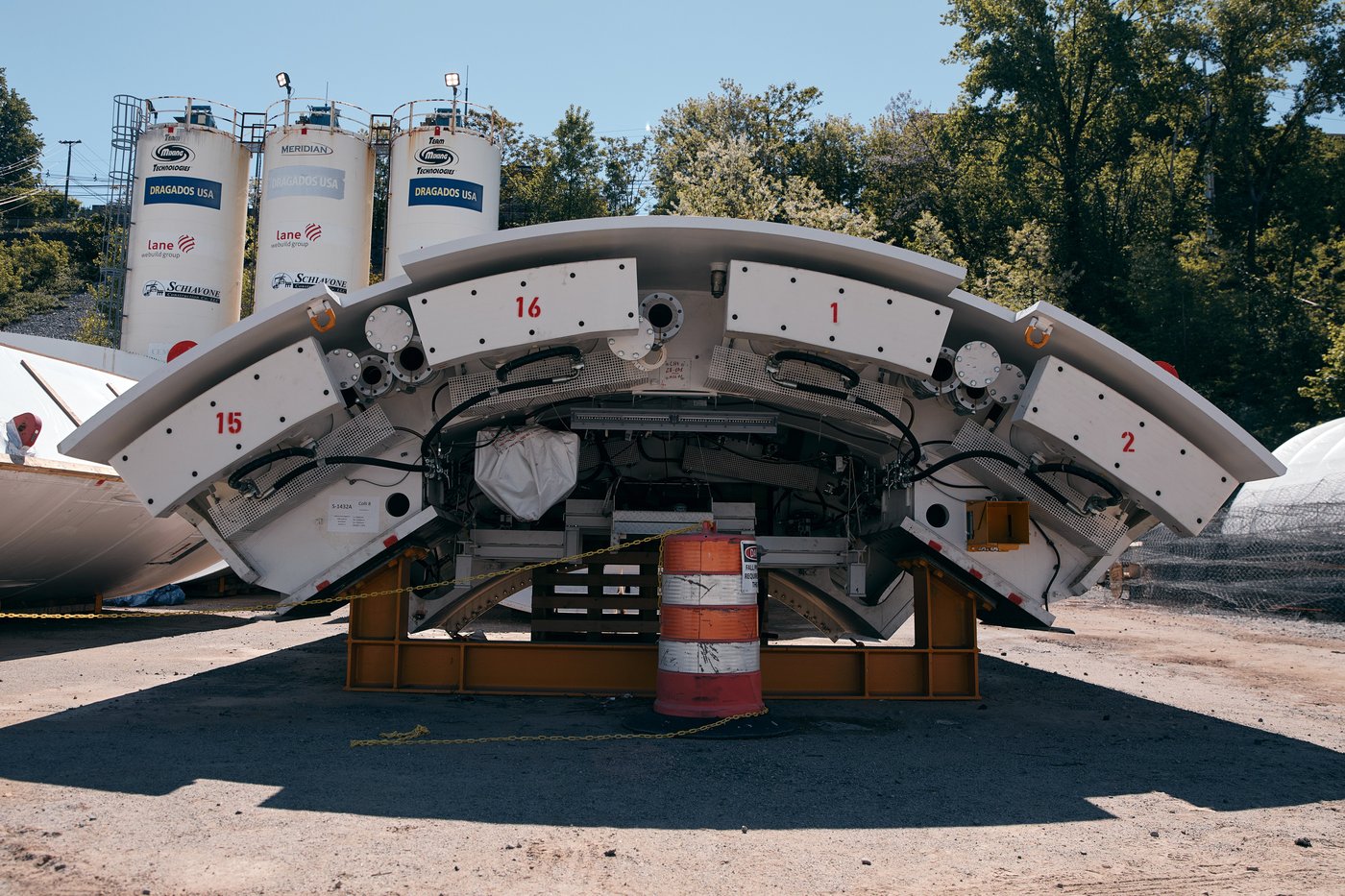
Giant drilling machines nearly the length of two football fields armed with cutters harder than diamonds will chew through dense rock. A crew of about 40 will oversee a conveyor system hauling out debris as well as equipment to install the tunnel’s curved concrete lining.
“This is a fully automated, underground factory,” said James Starace, chief of program delivery for the Gateway Development Commission, a public agency formed by New York and New Jersey that’s undertaking the tunnel project.
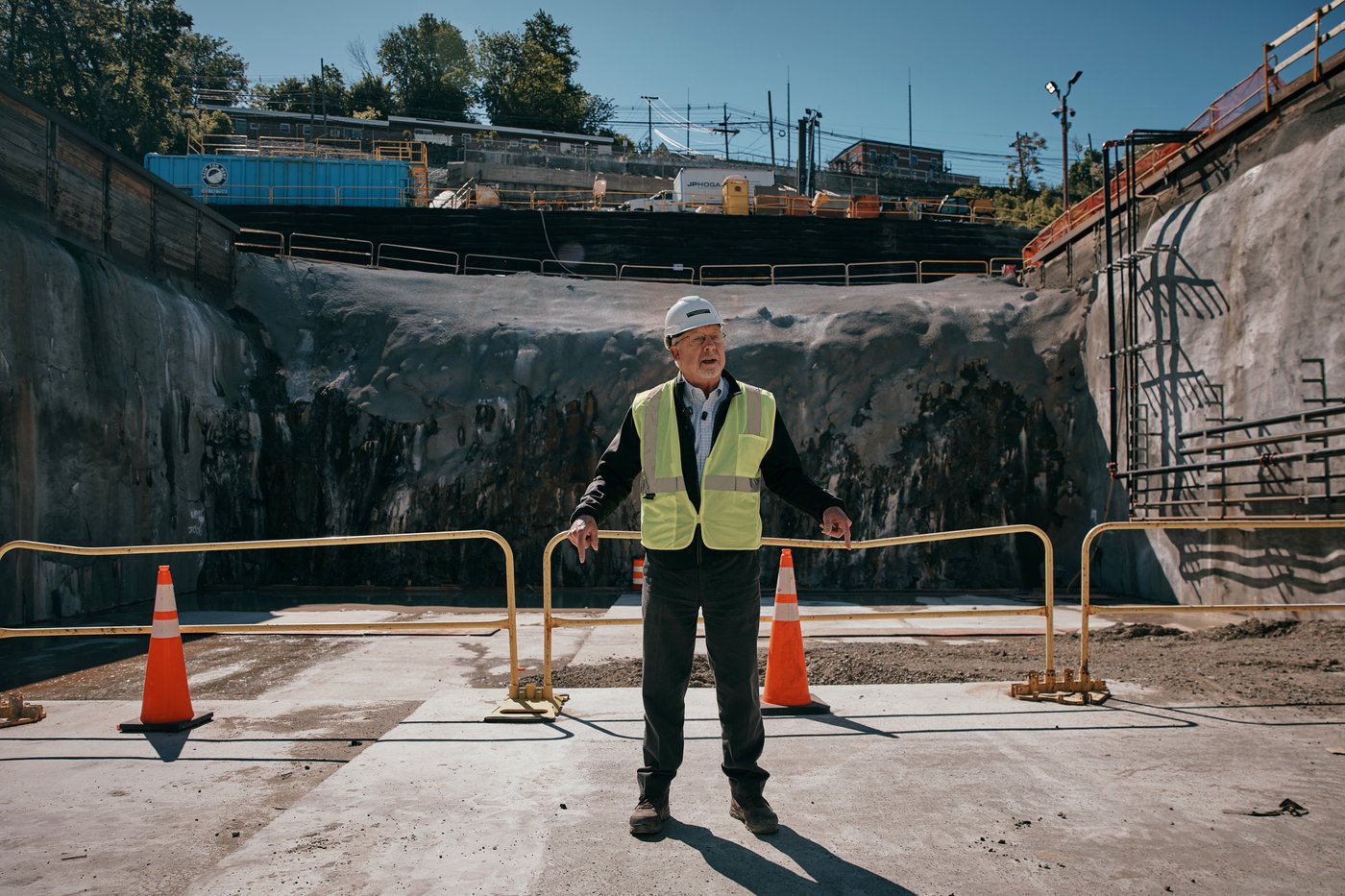
Wearing a hardhat and yellow safety vest, Starace stood Tuesday in a trench cut into the hills across the river from New York City. Behind him rose a two-story wall of solid rock where, if all goes as planned, by 2035 trains will speed in and out of the tunnel, easing a bottleneck on the busiest passenger rail corridor in the nation.
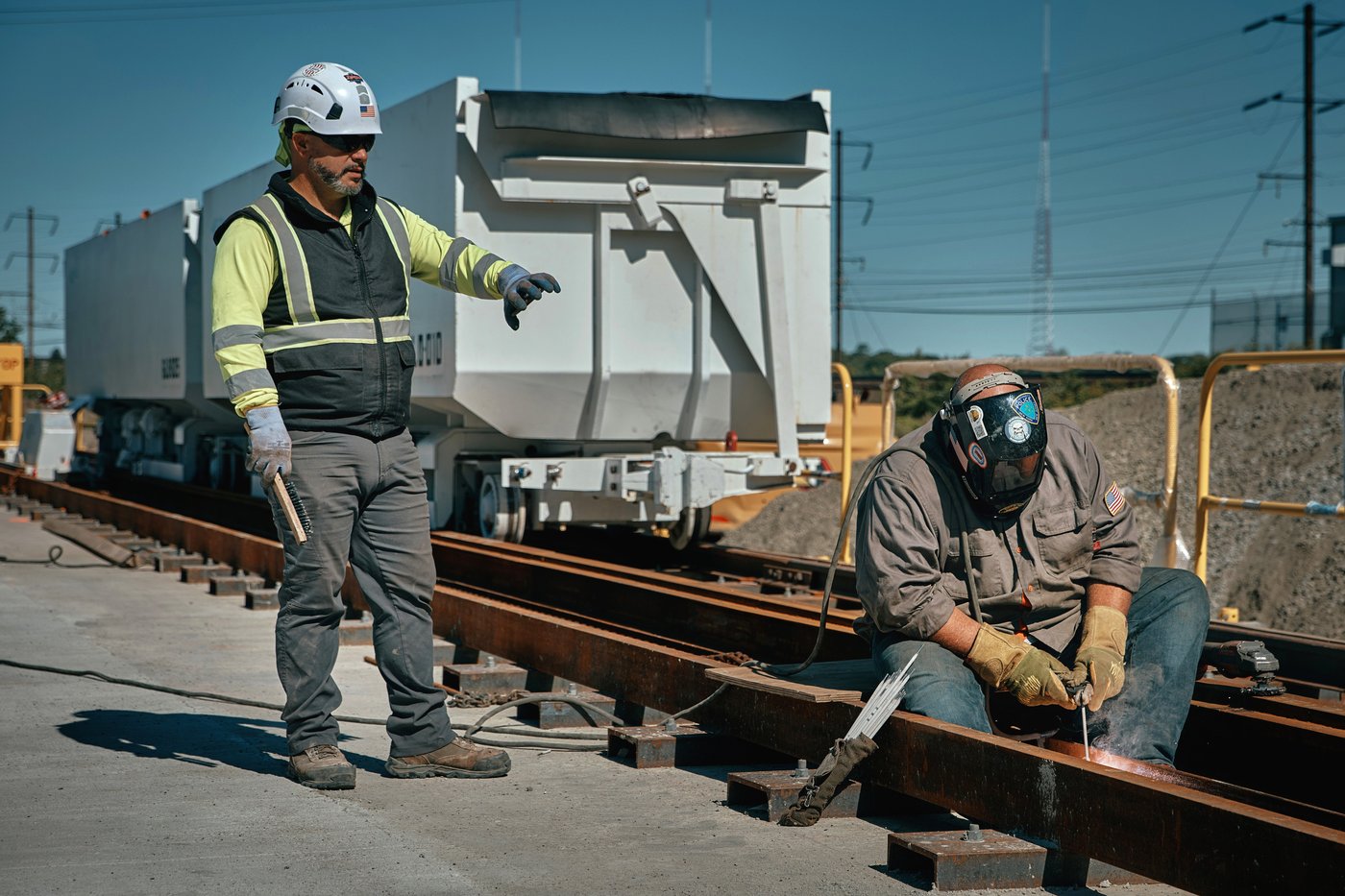
The tunnel-boring machines arrived “like Lego pieces” from Germany in nearly 100 different components, said Hamed Nejad, the project’s chief engineer. Outside the tunnel’s future entrance, sparks flew as a team of welders fused pieces of the massive cutterheads.
Danny Pearlstein, a spokesperson for the transit advocacy group Riders Alliance, said America has grown unaccustomed to building megaprojects at this scale, which has contributed to the cost.
“What’s astonishing about Gateway isn’t the size and scope of the project,” Pearlstein said, “but that it’s taken this long to get only so far.”
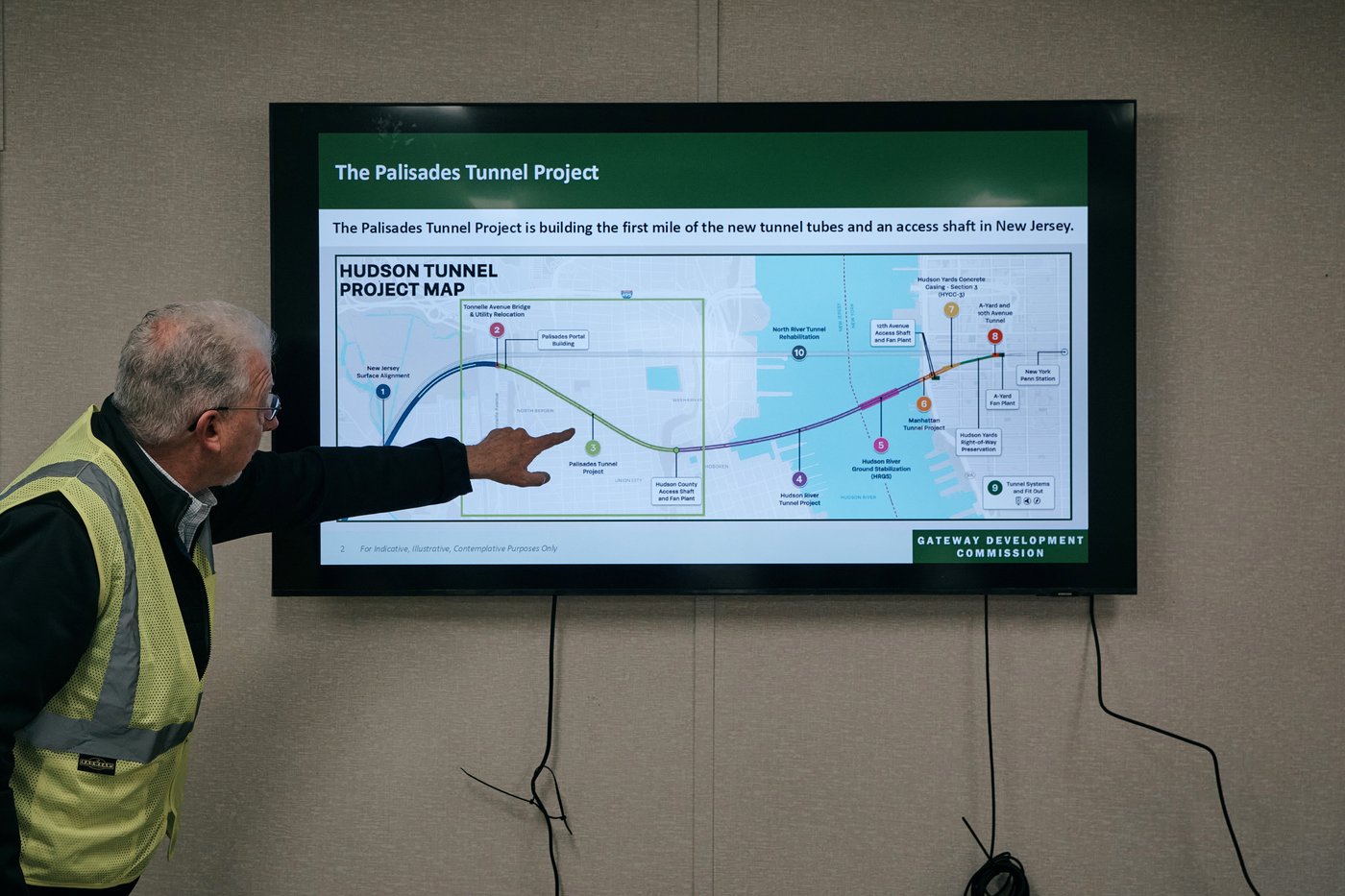
The machines are expected to take about a year to grind through the first section in the New Jersey Palisades, which is made of tough volcanic rock, once digging starts later this year, according to Starace. That’s about 30 feet of tunnel a day. Other machines will dig under the riverbed.
In full, the new tunnel with two train tracks inside will run almost 2.5 miles (4 kilometers). The original two-tracked tunnel, damaged by saltwater during Superstorm Sandy, will be renovated.
The ambitious project received key approvals and funding under the Biden administration, but nearly ground to a halt a few months ago.
The Trump administration froze funding during the recent federal government shutdown, citing concerns that the project was allocating funds based on diversity, equity and inclusion principles.
As funding neared depletion in February, a federal judge ordered the administration to release the funds. Money has continued flowing as a lawsuit brought by New York and New Jersey against the federal government plays out.
___
Follow Philip Marcelo at https://x.com/philmarcelo
News from © The Associated Press, . All rights reserved.
This material may not be published, broadcast, rewritten or redistributed.

This site is protected by reCAPTCHA and the Google Privacy Policy and Terms of Service apply.
Want to share your thoughts, add context, or connect with others in your community?
You must be logged in to post a comment.