Elevate your local knowledge
Sign up for the iNFOnews newsletter today!
Elevate your local knowledge
Sign up for the iNFOnews newsletter today!
Select Region
Selecting your primary region ensures you get the stories that matter to you first.
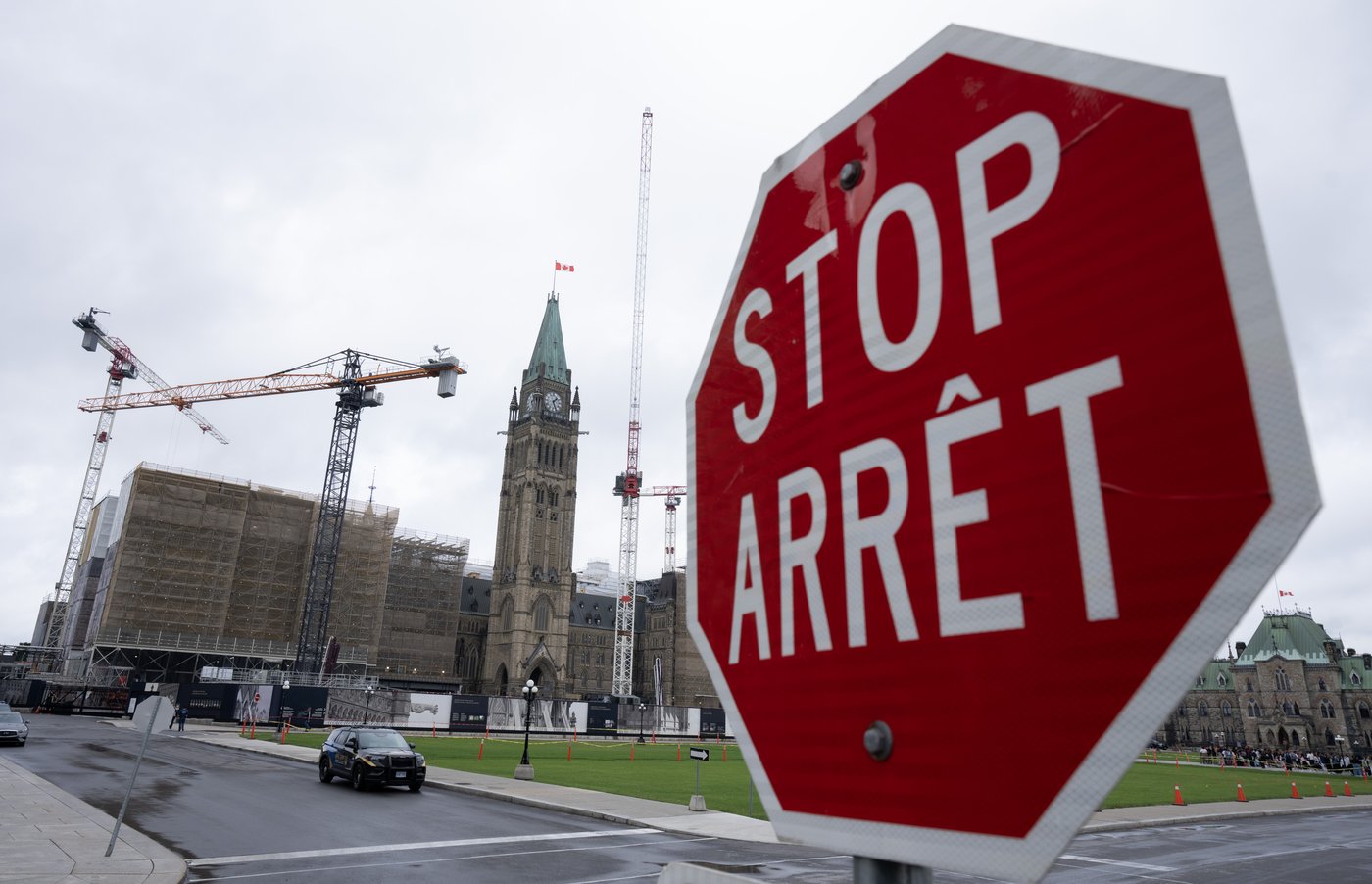
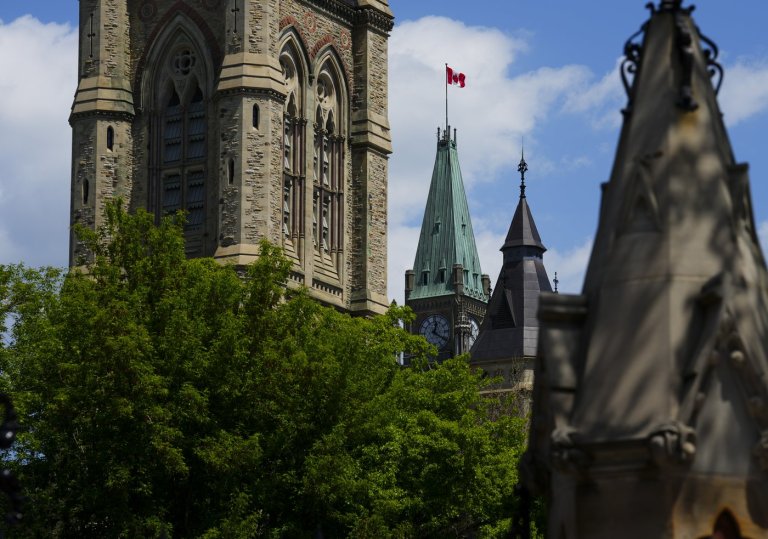
OTTAWA — Members of Parliament have wrapped up a spring sitting in the House of Commons that stretched over six months and saw the Liberals use their new majority powers to limit debate and push through contentious legislation.
Prime Minister Mark Carney’s government began the sitting in late January in a minority position. After courting five opposition members to join the Liberal benches and winning three April byelections, the government was able to take control of House committees and pass bills without the help of opposition parties.
Government House leader Steven MacKinnon said Thursday the Liberals have been focused on the economy and “protecting Canadians from crime.”
He defended the government’s decision to limit debate this week on its “lawful access” bill, legislation that received widespread criticism from privacy and tech experts, civil liberties groups and opposition parties.
The legislation — which would give law enforcement agencies new tools to investigate modern crimes, including controversial powers to access digital information — is now in the hands of the Senate.
MacKinnon acknowledged the Upper Chamber likely won’t have time to pass Bill C-22 before it also begins the summer break, but said senators can take it up in the fall.
He suggested the Conservatives’ opposition to the legislation was the result of “conspiratorial” thinking on the Tory benches.
The government did pass a trio of justice bills to reform bail, create new hate crime offences and criminalize AI-generated sexual deepfakes.
“We now have a very real set of criminal justice reforms,” MacKinnon said.
The Conservatives, who campaigned in the last election on their own slate of tough-on-crime measures, insist they’re the only party focused on law and order.
“The more government does on these crime files, the less Canadians feel safe,” said Tory House leader Melissa Lantsman.
At a press conference marking the new Liberal majority in April, Carney pledged there would be more substantive debate and less showboating in the House of Commons. He said the Liberals would work collaboratively with other parties.
Bloc Québécois House leader Christine Normandin said the session was “anything but collaboration.”
“They seem not to care about what other parties have for recommendations,” she said.
Green Party Leader Elizabeth May decried the “gathering forces that affront democracy itself in this place” and urged Canadians to spend the summer letting their MPs know if they’re unhappy with the Liberal government’s actions.
The House of Commons passed 24 pieces of legislation during the sitting, including 19 government bills, three Conservative private members’ bills and two pieces of legislation that originated in the Senate.
MPs from all parties agreed Thursday to end the sitting a day early, and to pass a number of bills “on division,” meaning without a recorded vote.
That included the government’s formal recognition of Sahtu Dene and Métis self-governance in the Northwest Territories.
MPs also agreed to adopt a Senate amendment to Bill C-11, which strips the military of its jurisdiction to investigate and prosecute sexual offences involving Canadian Armed Forces members in Canada, and hand those cases over to the civilian justice system.
The Senate opted to force an independent review of key parts of the law after three years.
MacKinnon said the government agreed to the change for the sake of “getting it done, rather than continue the Ping-Pong with the Senate.”
The legislation to enact the government’s spring economic statement passed on Thursday just before the sitting came to a close.
Carney was not in the House of Commons at all this week. For much of the week, he was in Europe for the G7 leaders’ summit.
On Thursday, he was in Vancouver to make an announcement with B.C. Premier David Eby and attend Canada’s FIFA World Cup match against Qatar.
Conservatives have pointed out the prime minister is rarely in the House of Commons for question period. On Tuesday they brought a cake to Parliament to mark Carney’s 100th absence since becoming prime minister.
MacKinnon dismissed concerns about his boss’s travel on Thursday.
“I think the prime minister should be expected to be there, cheering on our national men’s soccer team in Vancouver,” he said.
Lantsman disagreed.
“I think we would all be very happy to be in Vancouver and, in great expensive seats, watching our Canadian men’s national team beat Qatar today. I hope that that happens. And we can watch that at six o’clock,” she said.
“But question period is at 2:15 and the prime minister could be here.”
MPs will return to Parliament Hill on Sept. 21.
This report by The Canadian Press was first published on June 18, 2026.
— With files from Jim Bronskill
News from © The Canadian Press, . All rights reserved.
This material may not be published, broadcast, rewritten or redistributed.

This site is protected by reCAPTCHA and the Google Privacy Policy and Terms of Service apply.
Want to share your thoughts, add context, or connect with others in your community?
You must be logged in to post a comment.