Elevate your local knowledge
Sign up for the iNFOnews newsletter today!
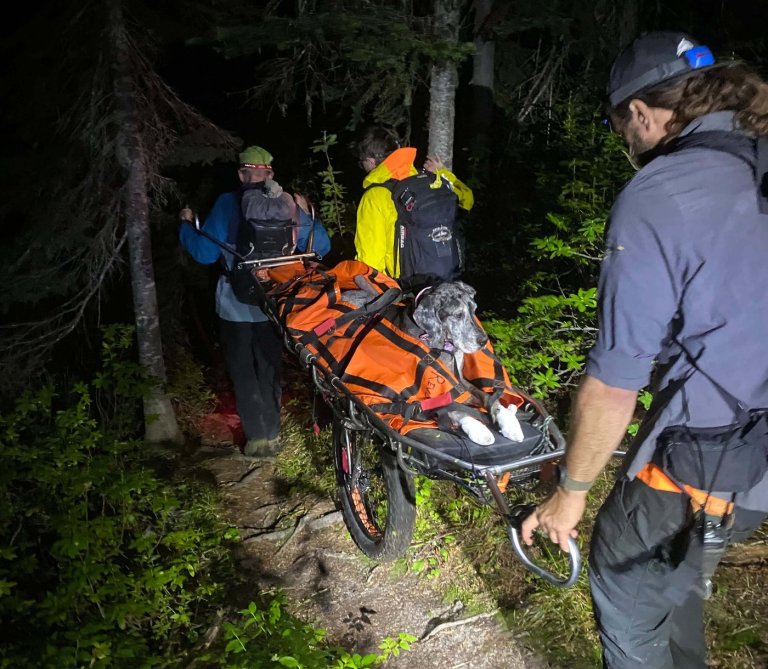
There are so far only theories about why overdose deaths are taking a downward trend in BC.
BC is now ten years into the health crisis and the province has tried more strategies than most jurisdictions to curb the death toll, but the shift appears to a continent-wide trend.
While there are fewer fatalities, experts in health and non-profit sectors don’t see the crisis as being averted and have varying theories to explain what’s happening. What seems consistent is that a tainted drug supply and a steady rate of overdoses suggest there are more people getting revived, and that very few are ready to claim the shift as a win.
Here are some graphs to visualize how the overdose crisis has changed over the last decade:
Overdose deaths across the province have been trending down since peaking in 2023 and that appears to be continuing this year. Although ambulance calls volumes since January aren’t known, there were only 4,093 fewer overdose calls in 2025 since the 42,172 peak in 2023.
That’s only a six per cent drop in overdose calls compared to a more than 30% reduction in deaths across the province’s health regions. Meanwhile, the amount of take-home naloxone kits shipped to pharmacies and harm reduction sites have dipped.
Just how many of those are used per overdose, or at all, isn’t known, but there was a significant drop in the amount shipped across the province. The amount shipped to sites across the province each year peaked at 498,028 kits in 2024, then dropped by 114,824 the next year. Whether there’s a surplus, fewer people are using them or the province shipped fewer in preparation for nasal naloxone kits isn’t known.
The increasing availability of naloxone kits has been credited by advocates of harm reduction with saving many lives across BC. While the medication reverses an opioid overdose, it has no effect on increasingly present benzodiazepines and tranquilizers mixed into the drug supply.
BC Coroners service has found people that died of overdoses have benzodiazepines and other drugs in their bodies at an increasing rate in recent years. It’s suspected that they are added to increase the effects, putting a user unconscious for hours, but it has the possible effect of also reducing a person’s overall overdose risk.
Because of the unknown supply, some have suggested a drop in deaths could be leading drug users to get their drugs tested, fearful of taking something they weren’t expecting. The statistics do show a massive jump in people testing their drugs, but it’s not clear whether that led to a reduction in deaths across the province.
While the content of the drugs has changed, one thing that remains consistent is the places where people succumb to their overdoses. For the past several years, between 20 and 25 per cent have died outside and around half have died in their own homes, according to the BC Corners Service.
Much of the Thompson-Okanagan is following the regional and provincial trend with deaths dropping in 2025, continuing into 2026, but Kelowna and the Central Okanagan have only dropped slightly.
News from © iNFOnews.ca, . All rights reserved.
This material may not be published, broadcast, rewritten or redistributed.

This site is protected by reCAPTCHA and the Google Privacy Policy and Terms of Service apply.
Want to share your thoughts, add context, or connect with others in your community?
You must be logged in to post a comment.