Elevate your local knowledge
Sign up for the iNFOnews newsletter today!
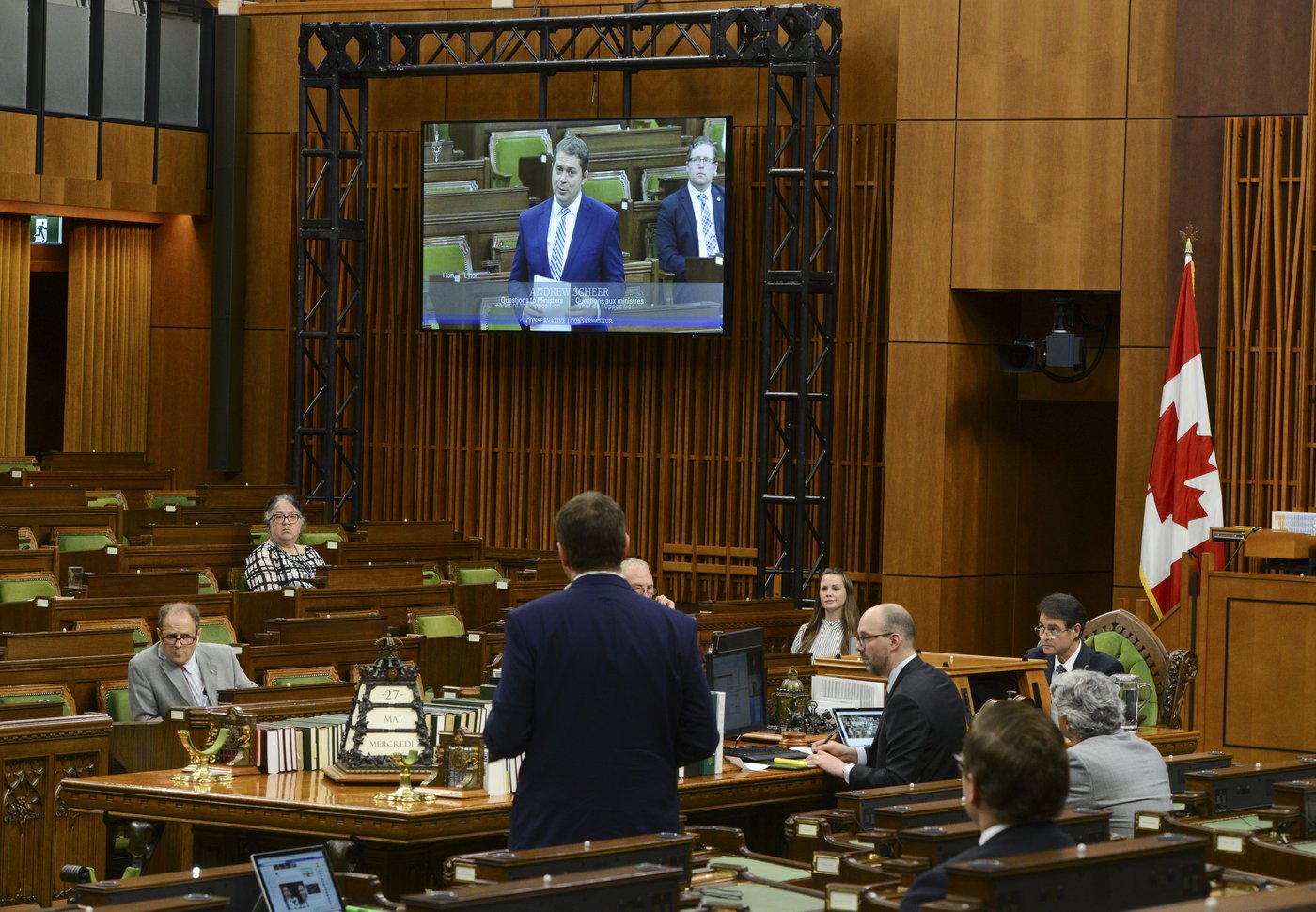
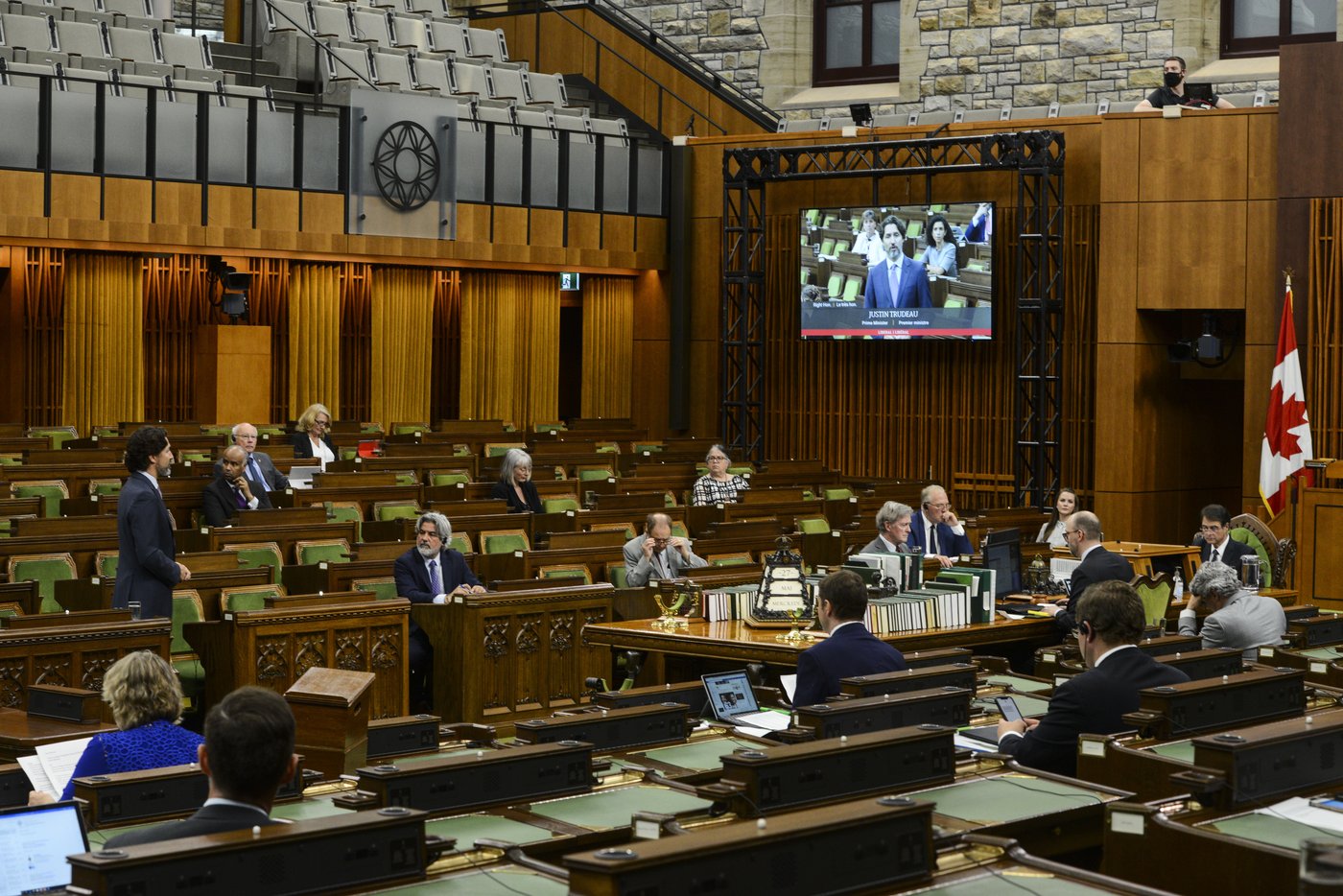
OTTAWA — During the pandemic, members of Parliament began voting and attending committee meetings from home. Six years later, Parliamentarians are divided over whether those hybrid rules should remain in place.
In March 2020, the House of Commons adopted a motion allowing the health and finance committees to meet virtually. Four months later, the first House of Commons sitting took place in hybrid format, with some members attending the Commons chamber in person and others dialing in by video conference.
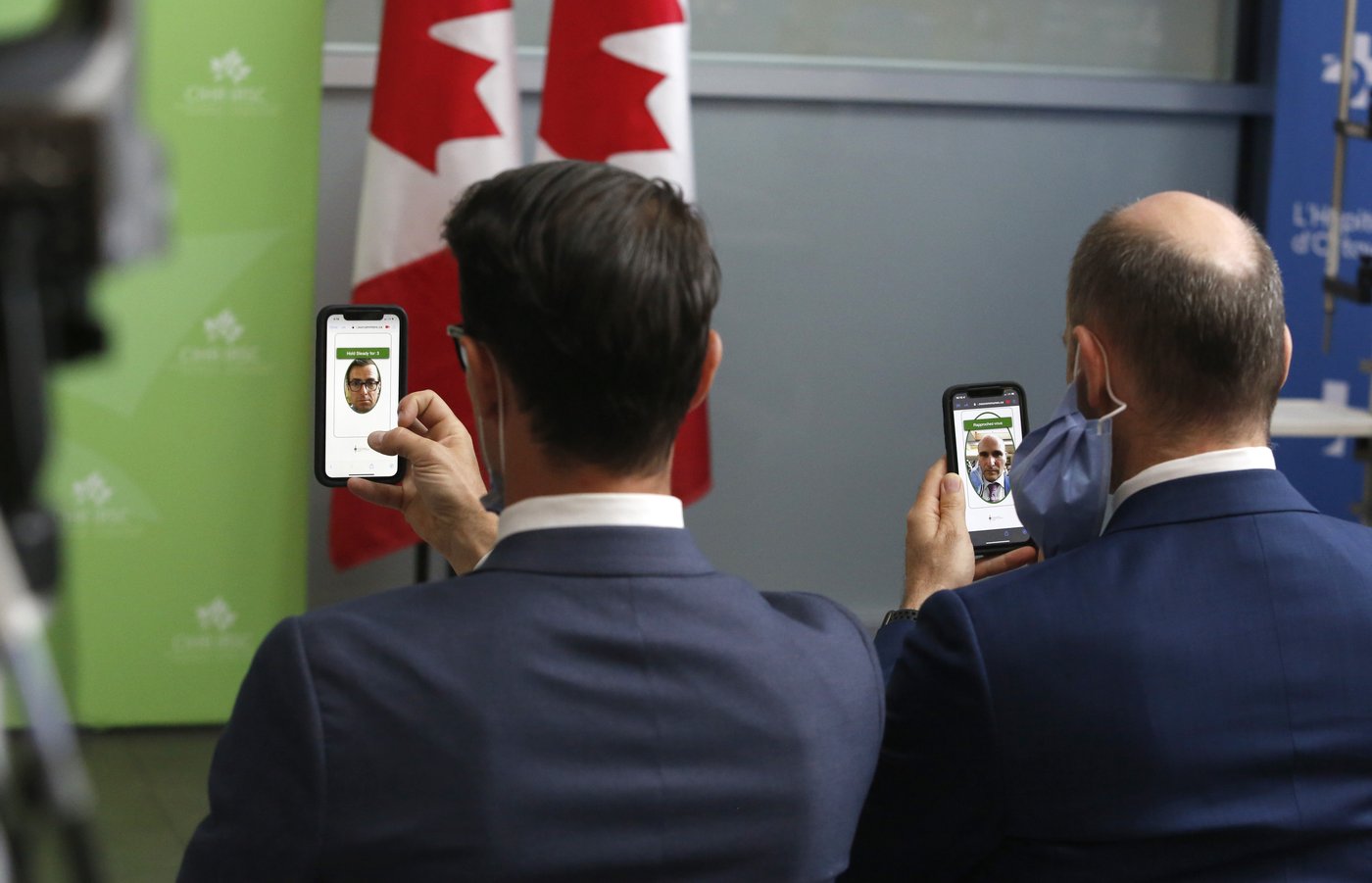
Today, it’s common for members of Parliament to cast votes on their phones during announcements, or even while they’re out to dinner.
At the U.S.-Canada Summit in June, AI Minister Evan Solomon paused a discussion to vote from his phone.
But even as private and public sector employees return to their offices, MPs remain divided on whether it’s time to end the hybrid Parliament rules.
Major banks and companies like RBC, Bank of Montreal and Rogers have increased the amount of time workers are required to be in the office. Thousands of provincial government employees have been called back to the office full-time.
Many federal public servants started a new work schedule last month that requires them to be in the office four days a week. Executive public servants returned to the office full-time in May.
Nathan Prier, president of the Canadian Association of Professional Employees, said it seems “contradictory” to deny public service workers the kind of work flexibility enjoyed by members of Parliament.
“Parliamentarians have clearly seen the benefits of remote work with the way technology assists in connecting with colleagues and the savings it generates for Canadian taxpayers,” said Prier, who leads a union that represents more than 27,000 federal public sector workers.
The Public Service Alliance of Canada argues in favour of the hybrid Parliament, saying that flexible work arrangements can help MPs fulfil their responsibilities both in Parliament and in their ridings.
“We have been highlighting the advantages of remote work for several years and believe that all workers should have access to remote or hybrid work options where operational requirements allow and the work can be performed effectively,” reads a statement from the union.
The Professional Institute of the Public Service said in a statement that “the answer to an arbitrary return-to-office mandate is not necessarily another arbitrary mandate for Parliamentarians.”
“Whether someone is a scientist, an IT expert or a member of Parliament, in-person attendance should be required when it serves the work — not simply for the sake of visibility,” said the union.
Members of Parliament seem to have mixed opinions about the hybrid work rules.
Conservative MP Michael Chong told the House of Commons in February he thinks Canada should “end hybrid Parliament.”
“We are the only national legislature amongst western Liberal democracies to remain in hybrid mode,” he said.
The U.K. House of Commons ended hybrid sittings in 2021, while the U.S. House of Representatives ended proxy voting in 2023.
Replying to Chong, Liberal MP Corey Hogan said that as a father of three young children, he has “really appreciated the flexibility that hybrid sittings have allowed on those unique occasions when it was necessary.”
“My father was in the hospital recently, in the ICU for 11 days, and being able to be there at his bedside and do my work for Parliament from the hospital was really important to me,” he said.
Bloc Québécois MP Yves Perron told the Commons that “we agree that remote interventions should be a little more of an exception than they are right now.”
“They should be allowed for family reasons, as my Liberal colleague pointed out, and that is very valid, or for health reasons, but with approval from the whip in order to limit their use,” he added.
“If a member is participating remotely, they should not be in a public place or in a car. We have seen all kinds of foolish and ridiculous situations. Yes, the hybrid Parliament absolutely needs to be tweaked.”
Since Parliament went virtual, several Parliament Hill interpreters have experienced hearing damage due to poor sound quality and feedback. In 2024, the federal government was forced to adjust the audio setup in the House of Commons and committee rooms.
NDP MP Heather McPherson said in an interview last week there is “value” in the hybrid Parliament.
“It allows for us to have a more diverse participation in our Parliament,” she said. “I think for the vast majority of Canadians, they are more concerned with the work that we are getting done and perhaps less concerned about whether we’re doing it in our constituency or in the House of Commons.”
McPherson said she finds it “rich” that other MPs would say hybrid rules should end when they also use virtual voting and other hybrid options.
Olivier Duhaime, a spokesperson for the Office of the Speaker of the House of Commons, said in an email there are no detailed statistics — or statistics that are easy to extract — on when MPs participate or vote remotely.
McPherson said she believes that some of the conversations happening in and around the Commons chamber are important and she tries to be present when the House is sitting.
“I think we all need to be able to do our work as effectively as we can, but I think having that option to allow, for example, people living with disabilities, people dealing with illness, single parents, people living in remote or rural communities, to have more flexibility to represent their constituents better is an excellent tool that we have at our disposal,” she said.
“We want members of Parliament to represent the diversity of our nation, and if you want to have that, you have to have flexible working conditions that will allow for that to happen.”
McPherson said the nature of work has changed and that, in some ways, the way the House of Commons operates can be “dated.”
“Modernizing the way that we do our work is not a bad thing,” she said.
This report by The Canadian Press was first published Aug. 4, 2026.

News from © The Canadian Press, . All rights reserved.
This material may not be published, broadcast, rewritten or redistributed.

This site is protected by reCAPTCHA and the Google Privacy Policy and Terms of Service apply.
Want to share your thoughts, add context, or connect with others in your community?
You must be logged in to post a comment.