Elevate your local knowledge
Sign up for the iNFOnews newsletter today!
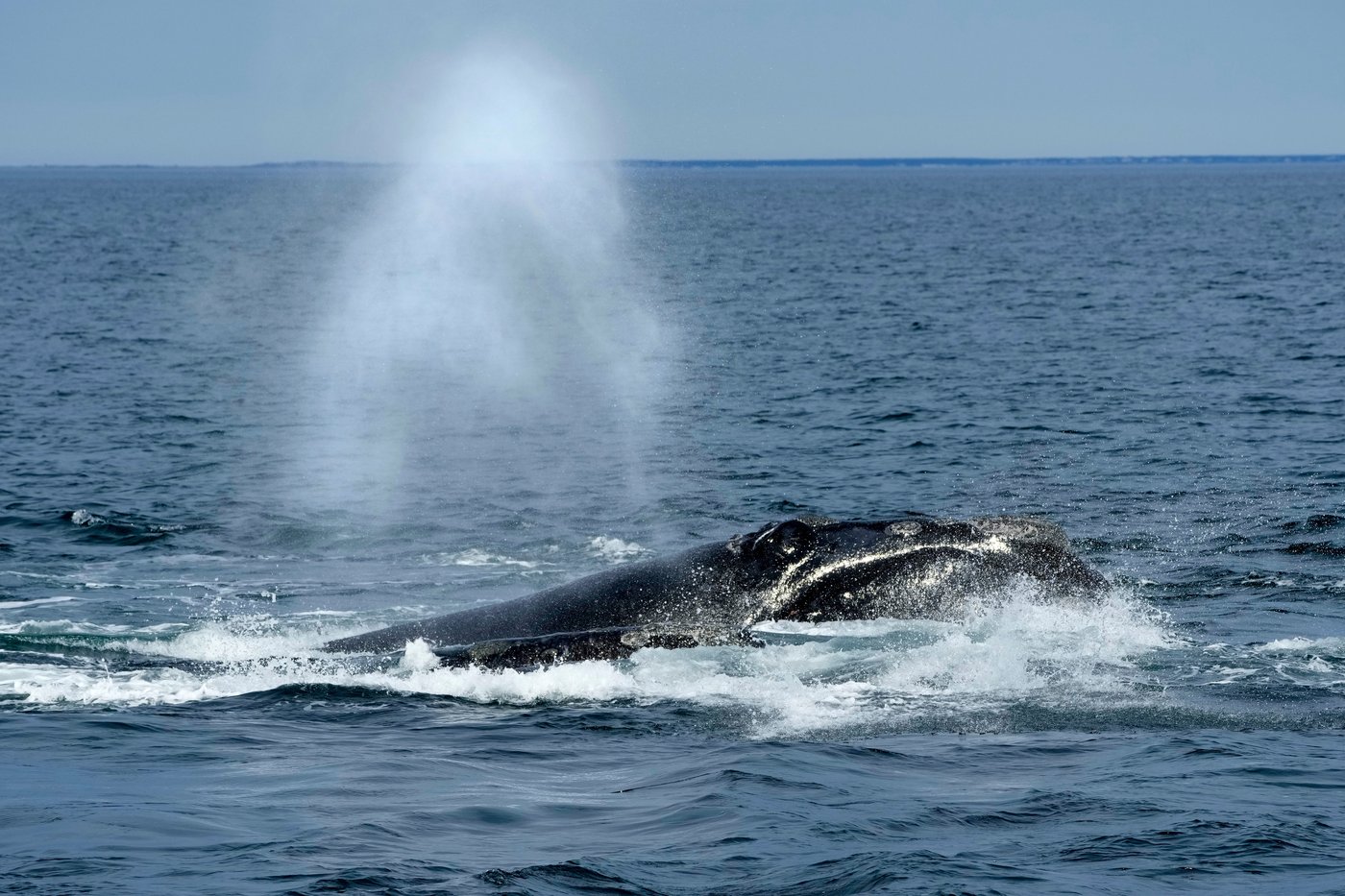
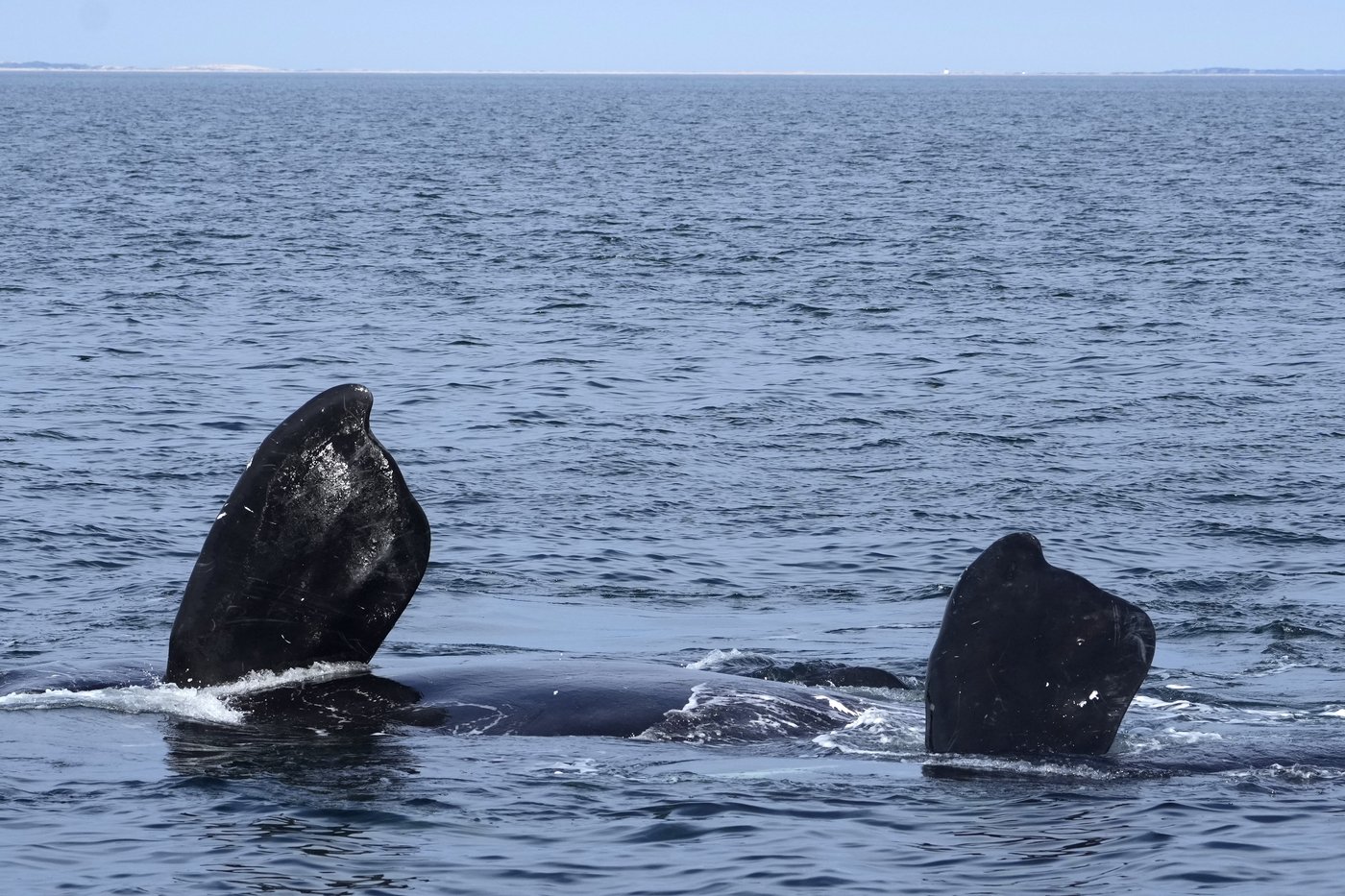
ST. JOHN’S — Staff at the federal Fisheries Department are worried the United States government is about to adopt legislation jeopardizing the survival of the North Atlantic right whale, according to an internal government memo.
The memo was sent to senior officials in the federal department in May and released to The Canadian Press through an access to information request. It discusses a bill backed by U.S. President Donald Trump to delay new protections for the critically endangered whale until 2035.
The Fisheries Department has said little about the proposed U.S. legislation. But the newly released memo shows experts inside the department believe the policy could have grave consequences for the species, of which fewer than 400 remain.
“Recent modelling demonstrates we are now in a 12-year window until (North Atlantic right whale) functional extinction,” the memo reads, saying the species would be functionally extinct when there are no breeding females left.
“Delaying the rules to 2035 may mean (the U.S. oceans authority) misses the window to implement adequate measures to ensure the recovery of the species,” it added.
Sean Brillant, manager of marine programs with the Canadian Wildlife Federation, said the whales have rebounded slightly in the past few years because of government protections. The 12-year extinction model is out of date, but the fisheries department is right that delaying protections puts the whales’ recovery at risk, he said.
“We’re on a knife’s edge, and it is not going to take much for us to slip off this knife’s edge,” Brillant said in an interview. “We could lose this species.”
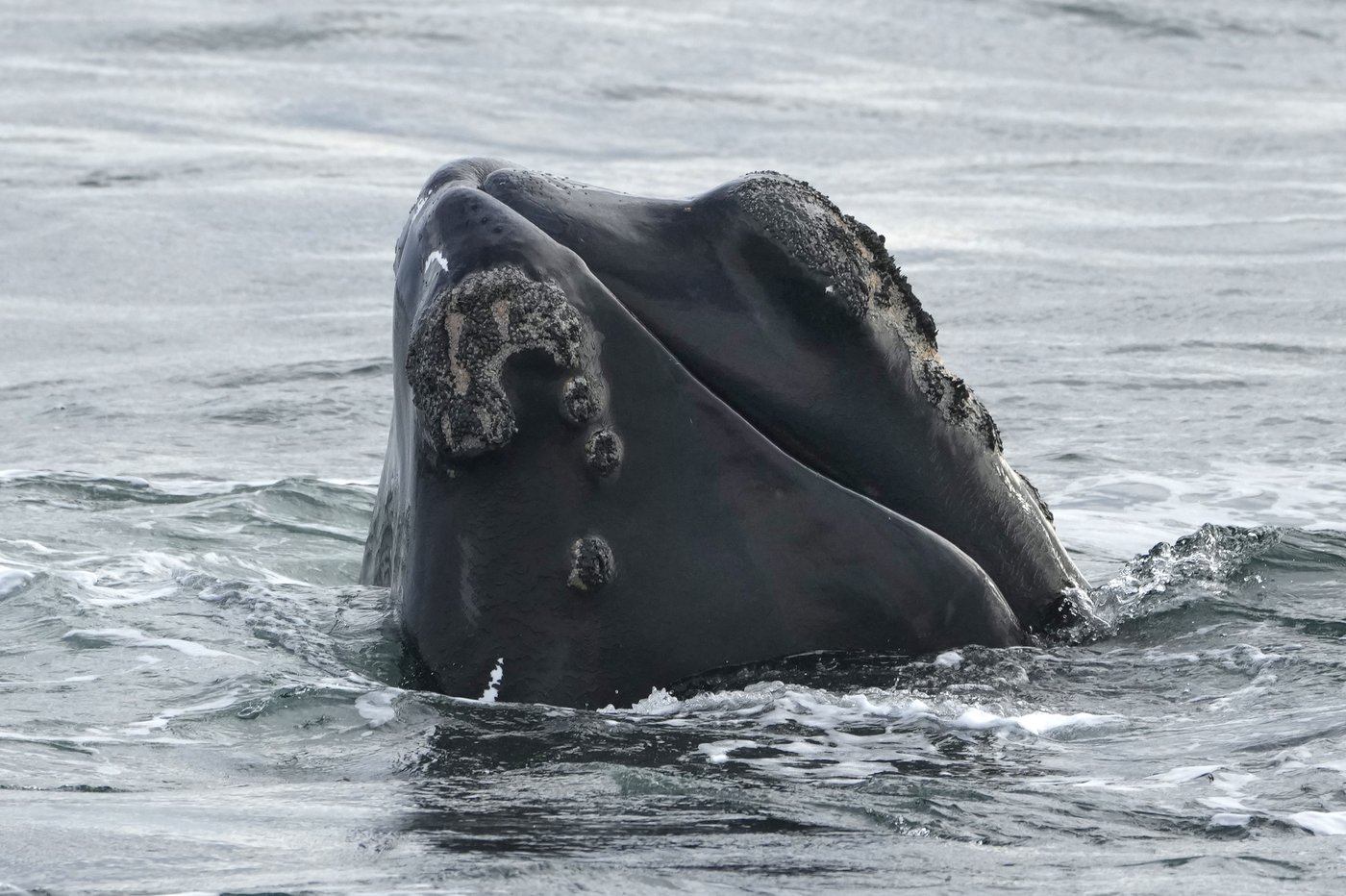
North Atlantic right whales are said to be one of the most endangered large whales in the world. As of this year’s calving season, there were about 380 of the animals left on Earth, roughly 70 of which were breeding females, according to the National Oceanic and Atmospheric Administration, or NOAA.
The whales travel thousands of kilometres each year, migrating between calving grounds off Florida and Georgia to feeding areas that extend to the waters off New England, the Bay of Fundy and the Gulf of St. Lawrence in Atlantic Canada.
Warming ocean waters are pushing them farther north, into areas of heavy fishing and ocean traffic. There, they can be hit by ships or get tangled in fishing gear, and die.
The Fisheries and Oceans Canada memo discusses a bill introduced by Jared Golden, the Democratic representative for Maine, to delay new federal protections for right whales by nearly a decade and allow time to draft new measures with fewer implications for the fishing industry. The bill cleared the House Natural Resources Committee last month and it could head to the Republican-controlled Congress as soon as this summer, where it is likely to pass.
The U.S. government has already paused any new measures to protect the whales until 2028. The bill would extend that to 2035, and the White House has said Trump’s advisers would recommend he sign it into law.
“If the bill is supported and passed, this would significantly impact (North Atlantic right whales) and have potential consequences for Canadian harvesters,” the Canadian fisheries department information sheet said, adding: “Canadian harvesters may be required to do more to reduce impacts to this species.”
When asked for comment about the memo, the department sent The Canadian Press a statement outlining its efforts to track and protect the species.
The statement made no mention of the U.S. bill, nor its impacts.
Brillant said the North Atlantic right whale population was in “free fall” for about a decade. The Canadian and U.S. governments introduced some measures — fishery closures, vessel speed restrictions — that helped the numbers level out over the past two or three years, he said.
“But the species is still extremely vulnerable,” Brillant said. “It’s not going to take much to make a mistake and lose a bunch of these animals again.”
Amy Knowlton, a senior scientist at the New England Aquarium, also agreed that the 12-year estimate was no longer accurate. She pointed to research suggesting the North Atlantic right whale population could increase slowly over the next century, if dedicated conservation measures are in place.
Delaying new protections until 2035 in the U.S. could “stop that momentum in its tracks,” Knowlton said in an interview.
She noted that Golden’s proposal isn’t the only American policy idea that could limit the whale’s chances of recovery. NOAA is also considering changing rules that have been in place since 2008 requiring large ships to slow down in certain areas to avoid slamming into the whales.
“That would be a disaster,” Knowlton said.
This report by The Canadian Press was first published Aug. 6, 2026.
— With files from The Associated Press
News from © The Canadian Press, . All rights reserved.
This material may not be published, broadcast, rewritten or redistributed.

This site is protected by reCAPTCHA and the Google Privacy Policy and Terms of Service apply.
Want to share your thoughts, add context, or connect with others in your community?
You must be logged in to post a comment.