Elevate your local knowledge
Sign up for the iNFOnews newsletter today!
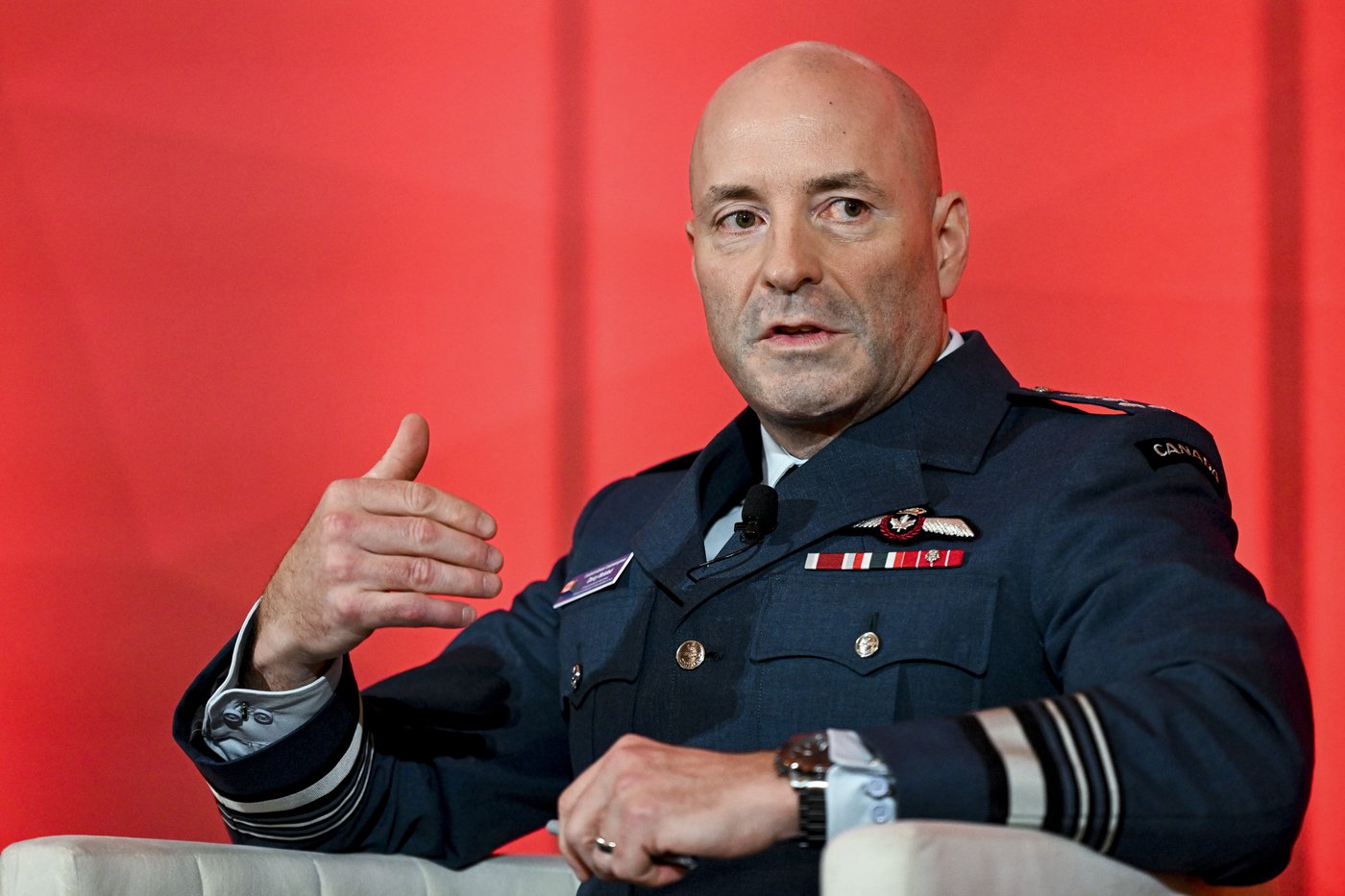
OTTAWA — Canada’s “drone general” says the military knows it must “accelerate the adoption” of uncrewed systems and change how it interacts with industry as it looks to adopt fleets of low-cost drones and the technology to counter them.
Lt.-Gen. Darcy Molstad, commander of the Canadian Joint Forces Command, told The Canadian Press on Tuesday the Ukraine war has demonstrated how drones can restrict troop movements and shift the tides of war, making it a “key and critical” technology for modern militaries.
He said this week’s two-day drone showcase event in the Ottawa Valley shows how the military is preparing itself for the new world of drone warfare by working closely with Canadian businesses.
“It’s a demonstration of our new way of doing business, where we have to innovate at the edge directly with industry,” Molstad said. “We have to work with them hand in hand because this is technology that evolves on a weekly basis in a modern operational theatre.”
The Canadian Armed Forces held a testing and demonstration showcase with manufacturers Tuesday and Wednesday called the RED COBALT Uncrewed Systems Accelerator.
The event brought some 200 defence personnel from up and down the chain of command in direct contact with nearly 30 companies developing drone technologies. The event was mostly attended by Canadian firms, including Screaming Geese, ARA Robotics, Draganfly and Sentinel R&D.
RED COBALT was designed to feature a wide range of drone tech — everything from small quadcopters to larger aerial drones, command-and-control platforms and counter-drone technology.
“We’re specifically looking at uncrewed systems, counter-uncrewed systems as well as unmanned ground vehicles. So, things that fly, things that take down the things that fly, and then things that roll on the ground in an automated fashion,” said Lt.-Col. Jayme Leclerc, who was involved in organizing the event.
Military officials attending the event had a chance to quiz manufacturers on everything from robotic dogs to medical evacuation platforms that can carry soldiers out of harm’s way.
“This type of event is bringing all of these people together that would normally not know exactly how to reach out or who to reach out in order to be able to see these things,” Leclerc said.
The economic development group Invest Ottawa established its Area X.O complex in the nation’s capital to help tech companies get to market faster and collaborate more closely with the military. The area where the drones were on display this week is a recently outfitted Area X.O secondary site at the former Killaloe airport two hours out of Ottawa.
“This is the first opportunity companies have had to be present in this way at our Killaloe facility, which creates all kinds of testing, demonstration, validation opportunities we simply can’t do in city limits because of our proximity to the Ottawa International Airport,” Invest Ottawa CEO Sonya Shorey said. “It is ideally suited for drones, counter drones, uncrewed systems.”
The federal government is quickly standing up a new procurement arrangement for drones based on a pool of pre-qualified drone suppliers that can compete for government contracts. That pool previously would have taken years to establish, but is now coming together over about two months.
The idea is to get the military working with industry to get new drones in the hands of soldiers faster while also developing the domestic industry. The Liberal government’s defence industrial strategy cites drones and autonomous systems as a sovereign capability — and a priority area for purchasing.
“We have a lot of small and medium enterprises in Canada that have a great amount of potential that we haven’t tapped into,” Molstad said.
“When a tactical unit orders a drone, there has to be a mechanism in place for that industry, the manufacturer, to then work with that unit in order to get direct feedback and iterate on the solution to become better and better over time.”
Molstad said the federal government will soon issue three significant requests for proposals on drones once the pool arrangement is set up. He said it’s too early to discuss them publicly.
The military is also looking to scale up training to produce more skilled drone operators.
Master Warrant Officer Blake Berggren is a senior instructor who worked on creating the army’s first course for first-person-view drones.
“Given everything that’s going on in Ukraine, (first-person view drone) conversations are a common thing within the army and we’re getting a lot of interest in this program,” he said during a break from operating a Neros Archer drone at RED COBALT.
“It takes quite a bit of effort and a lot of hours in the simulator to really, truly master the skill.”
Berggren, infantry by trade, said the advances in drone technology constitute the biggest and fastest-paced change to the forces he has seen in his 25-year military career.
“Young soldiers getting in now are going to have a lot of opportunities to work with some very, very cool kit that’s coming in,” he said.
This report by The Canadian Press was first published Aug. 12, 2026.
News from © The Canadian Press, . All rights reserved.
This material may not be published, broadcast, rewritten or redistributed.

This site is protected by reCAPTCHA and the Google Privacy Policy and Terms of Service apply.
Want to share your thoughts, add context, or connect with others in your community?
You must be logged in to post a comment.