Elevate your local knowledge
Sign up for the iNFOnews newsletter today!
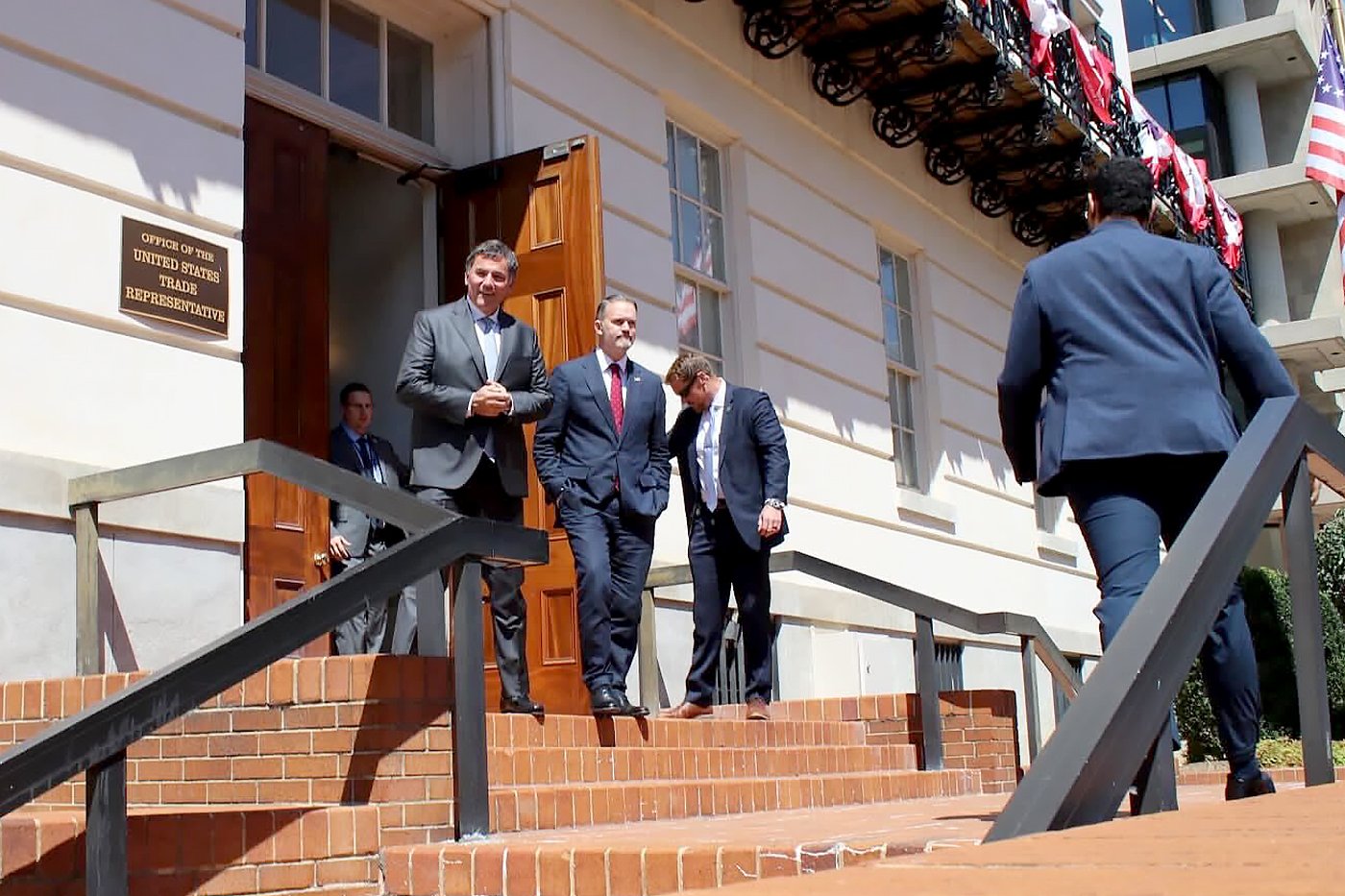
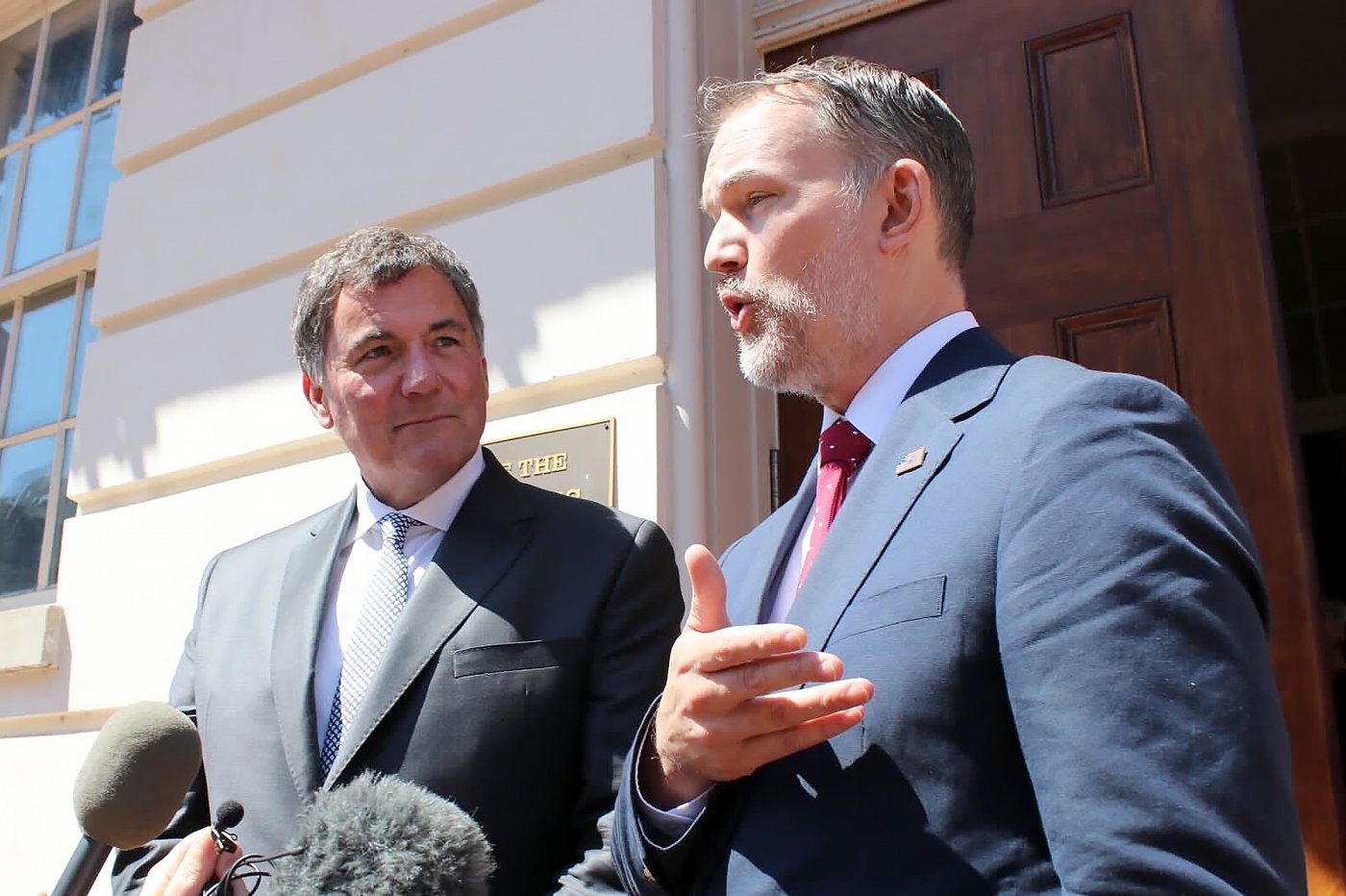
WASHINGTON — Canada-U.S. Minister Dominic LeBlanc smiled widely beside U.S. President Donald Trump’s trade czar in Washington on Wednesday as they touted a draft deal which appears to have averted a new round of punishing tariffs on Canada.
United States Trade Representative Jamieson Greer said he feels confident the agreement will protect American workers and jobs while strengthening the North American market, making the continent a manufacturing and energy powerhouse.
“We certainly, I think, have eliminated some of the irritants that we’ve had over the past year,” he said, “We also are taking a strong foot forward.”
Prime Minister Mark Carney said in a statement that the new deal reinforces and builds on Canada’s existing trade advantages with the U.S.
LeBlanc and Greer had their latest meeting the morning after Trump announced a three-day pause on 50 per cent tariffs that were set to slam an array of Canadian goods just after midnight Wednesday.
LeBlanc did not provide many details about the specifics of the draft agreement he had hammered out with Greer during weeks of heightened negotiations. He did say Canada’s dairy supply managed system would remain intact.
Multiple news reports have said the deal will see the United States lower sectoral tariffs on Canadian steel and aluminum. Bloomberg and The Wall Street Journal both reported the duties would be reduced from the current 50 per cent levels to 25 per cent.
A source with knowledge of some terms of the agreement but who is authorized to speak publicly about them told The Canadian Press that lower duties on steel and aluminum were part of the deal but could not say how the tariff rate would change.
LeBlanc returned to Ottawa Wednesday to meet with Carney and hold other meetings to put finishing touches on Canada’s side of the trade negotiations.
Greer said he will brief Congress and American stakeholders on what the two sides have been talking about.
Trump on Wednesday said it was a “good deal for everybody” and repeated claims that the agreement would drop tariffs on American farmers to zero. He said the Trump administration has a “very nice relationship with leadership right now.”
When asked whether the duties on Canadian steel and aluminum would be lowered, he responded that “we may bring some of the tariffs down to a level where other countries are because Canada was paying a higher tariff.”
Canada was paying a similar sectoral tariff on steel and aluminum to most other countries.
The postponed round of tariffs would have hit $28 billion of Canadian goods, ranging from hockey sticks and ice skates to honey and some dairy products.
Unlike many of the previous tariffs Trump has imposed on Canada since his return to office in January 2025, the latest duties would not exempt any goods covered under the Canada-U.S.-Mexico Agreement on trade, known as CUSMA.
A source close to the negotiations but not authorized to speak publicly about them said the fundamental question Canadian negotiators asked themselves was whether the country was better off with this agreement than the absence of a deal.
The source said they felt the answer was unequivocally yes.
The source noted the deal will protect 56,000 jobs, and that stabilizing the Canada-U.S. relationship will also provide needed certainty for Canadian businesses and investors around what the tariff rate will be.
The source said negotiators believe the deal keeps Canada at a more advantageous position than other nations facing down Trump’s tariff regime.
The Trump administration had said the duties were in response to Canada’s dairy supply management system, as well as tariff-free auto quotas and provincial bans on American alcohol enacted in response to the president’s earlier tariffs.
A proclamation on the delay from the White House said Canada agreed to work toward resolving these trade irritants. The new tariff deadline if the documents aren’t finalized is 12:01 a.m. ET Saturday.
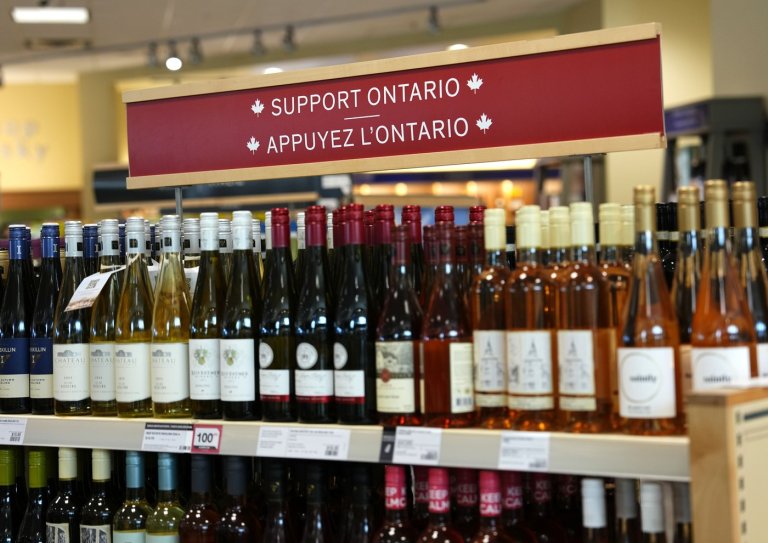
In separate meetings, Carney briefed his cabinet and Canada’s premiers Wednesday afternoon. Following the meeting, Nova Scotia Premier Tim Houston said the prime minister asked all premiers to put the booze back on the shelves.
Members of the prime minister’s advisory council on Canada-U.S. relations, who were briefed about the deal Tuesday night, welcomed the tariff pause but said uncertainty continues to harm Canadian businesses.
Lana Payne, Unifor national president, said the “devil is going to be in the details” of the agreement.
Conservative Leader Pierre Poilievre said his party was relieved to hear there was a deal in the works but repeated his claim that any agreement must include zero tariffs on steel, aluminum, autos and lumber as well as an exemption to the “Buy America” policies.
The deal could come together by Trump’s latest deadline, said William Pellerin, a partner in international trade at McMillan LLP in Ottawa.
Unlike CUSMA negotiations, Pellerin said this would amount to adjustments to tariffs on the margins — those rates and retaliatory measures can be adjusted with letters, executive orders in the U.S. or an order-in-council on the Canadian side.
But Pellerin also cautioned that there’s very little Canada can do at this stage to hold the United States to its word. He noted Trump has gone back on tariff deals struck with other countries.
“We have to understand that any deal that we strike could get overturned and that we’re buying temporary relief,” Pellerin said.
This report by The Canadian Press was first published Aug. 19, 2026.
— With files from David Baxter, Craig Lord, Catherine Morrison and Sarah Ritchie in Ottawa
News from © The Canadian Press, . All rights reserved.
This material may not be published, broadcast, rewritten or redistributed.

This site is protected by reCAPTCHA and the Google Privacy Policy and Terms of Service apply.
Want to share your thoughts, add context, or connect with others in your community?
You must be logged in to post a comment.