Elevate your local knowledge
Sign up for the iNFOnews newsletter today!
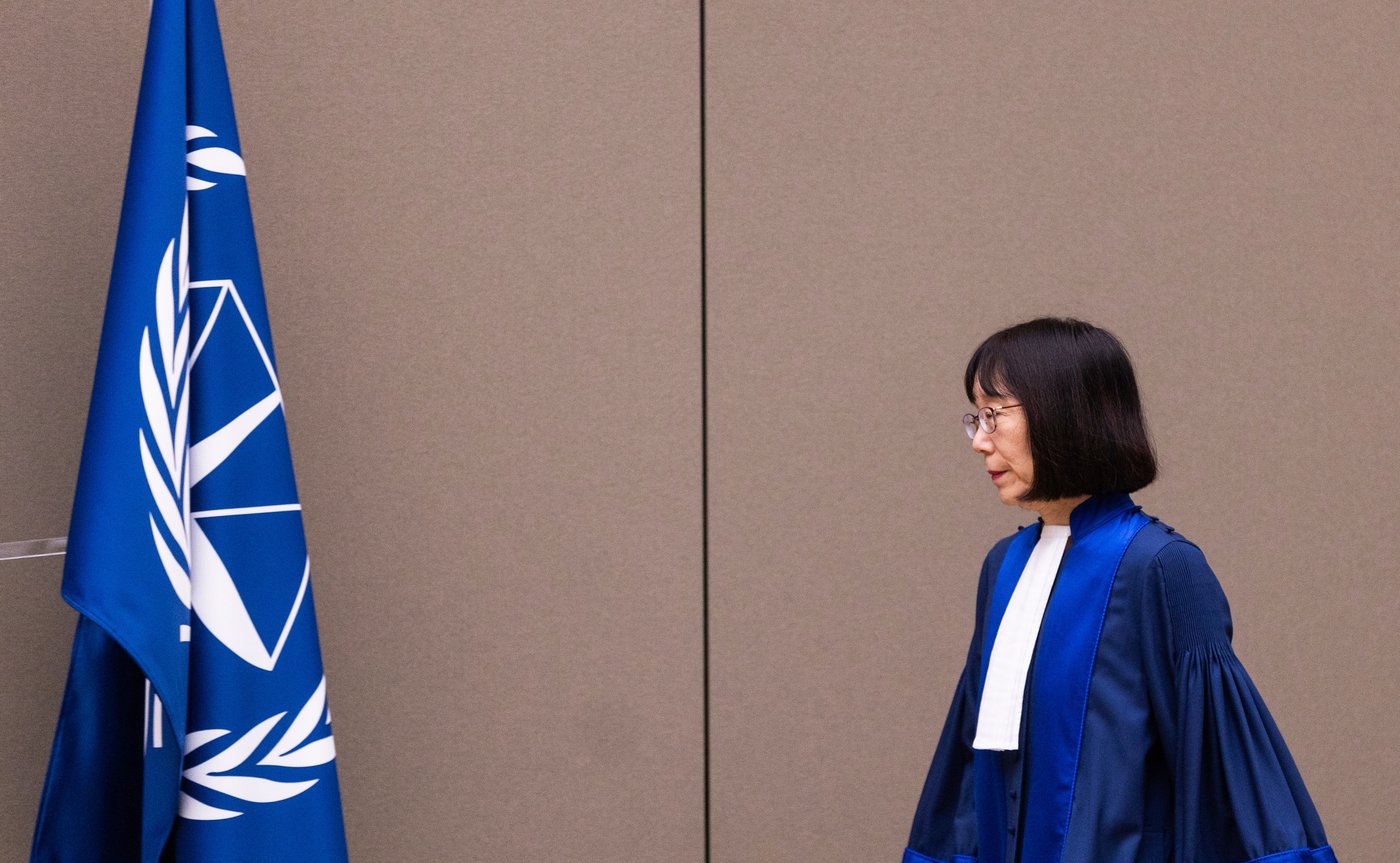
TOKYO (AP) — The president of the International Criminal Court said Wednesday there is no reason she has to face U.S. sanctions, adding that she is asking Japan’s government to work with Washington to avoid further escalating tensions.
Last week Tomoko Akane, a Japanese national, became the latest court member to be hit with sanctions that freeze any assets they have in U.S. jurisdictions. The sanctions also prevent the court officials and their families from entering the United States and block their access to even basic financial services.
Washington accuses the court of overstepping its mandate and has slapped sanctions on about a dozen court staff in retaliation for investigations into Israeli officials in Gaza and U.S. military personnel in Afghanistan.
Trump’s administration has now sanctioned nine out of the ICC’s 18 judges, both of its deputy prosecutors, its former chief prosecutor and one other prosecution office staffer.
“I insist that there is no reason I have to be sanctioned,” Akane told a news conference she joined by video from The Hague. She said the sanctions, which she had expected, have not intimidated her and will not affect her judicial work. “ICC will never be defeated. Justice will and should prevail.”
Akane said despite “unreasonable inconvenience and threat” to her as an individual, such as her credit cards being suspended, she is determined to protect ICC, its judges and staff and to continue ICC operations.
Akane urged Japan, a U.S. ally that has consistently placed the rule of law as a key pillar of its diplomacy, to convince Washington not to further escalate the situation. She called on Japan to approach other ICC members not to succumb to U.S. pressure and withdraw.
“ICC is a last hope for the victims of serious international crimes,” she said. “I would like Japan to do everything it can to defend ICC and the rule of law in the global society.”
Prime Minister Sanae Takaichi has struggled to balance Japan’s support for the rule of law and ties with U.S. President Donald Trump.
On Tuesday Takaichi told reporters that the U.S. sanctions against Akane was “not compatible” with Japan’s position and that “we take this very seriously.” “I share the sense of crisis and concern that President Akane has faced, and we will continue to provide necessary support,” Takaichi said.
She rejected criticism, including from within her own party, that she has avoided confrontation with Trump, saying Japan has repeatedly called on Washington not to impose sanctions against Akane.
On Monday, a cross-party group of ruling and opposition lawmakers adopted a statement denouncing the Trump administration over its sanctioning of the ICC chief. They demanded that it retract the action and urged Takaichi’s government to take tougher measures.
Foreign Minister Toshimitsu Motegi said Tuesday that his ministry has also dispatched an official to The Hague to meet with Akane to discuss how the government can support her.
The U.S. position against ICC is “extremely severe,” Motegi said, adding that Washington has indicated a possibility of additional sanction measures.
Japan became the 105th member of the ICC in 2007 under former Prime Minister Shinzo Abe.
News from © The Associated Press, . All rights reserved.
This material may not be published, broadcast, rewritten or redistributed.

This site is protected by reCAPTCHA and the Google Privacy Policy and Terms of Service apply.
Want to share your thoughts, add context, or connect with others in your community?
You must be logged in to post a comment.