Elevate your local knowledge
Sign up for the iNFOnews newsletter today!
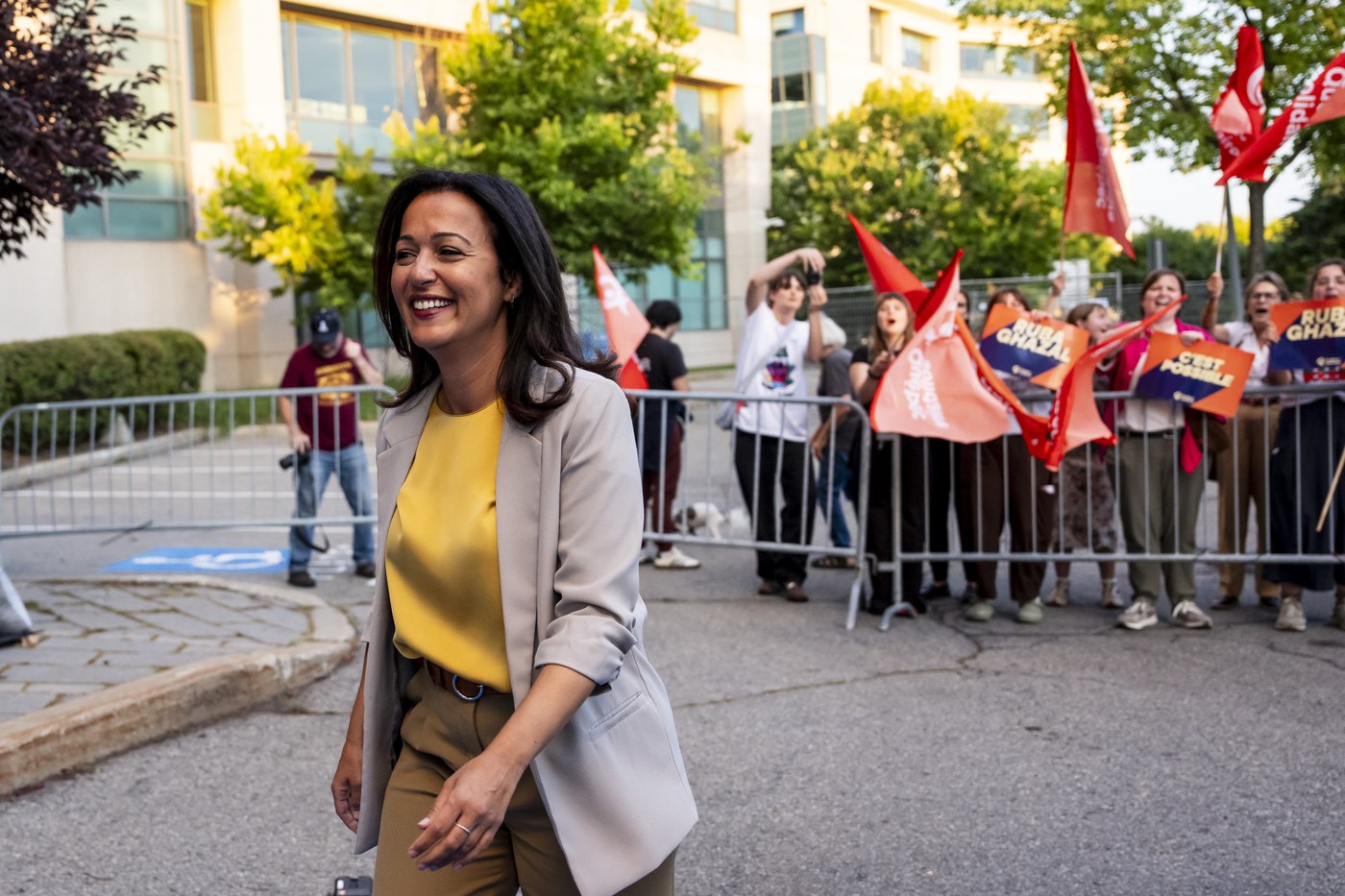
MONTREAL — The prospect of a referendum on Quebec sovereignty took centre stage Wednesday as the heads of the main political parties squared off for a provincial election leaders’ debate in the shadow of an escalating trade war between Canada and the United States.
After opening the debate with a statement acknowledging her party was not perfect after eight years in government, Coalition Avenir Québec Leader Christine Fréchette took aim at Parti Québécois Leader Paul St-Pierre Plamondon, challenging him on his promise to hold a referendum in the first four years of a PQ mandate.
“Is it really the time to add uncertainty with the referendum of Paul St-Pierre Plamondon? Me, I’ll work on your priorities. Him, he’ll work at planning a referendum,” she said in her opening statement.
St-Pierre Plamondon has pledged to spend over $130 million to organize a referendum on Quebec sovereignty if his party forms a government after the Oct. 5 election.
He has said, however, it would wait until U.S. President Donald Trump leaves the White House in 2029 before triggering a sovereignty vote.
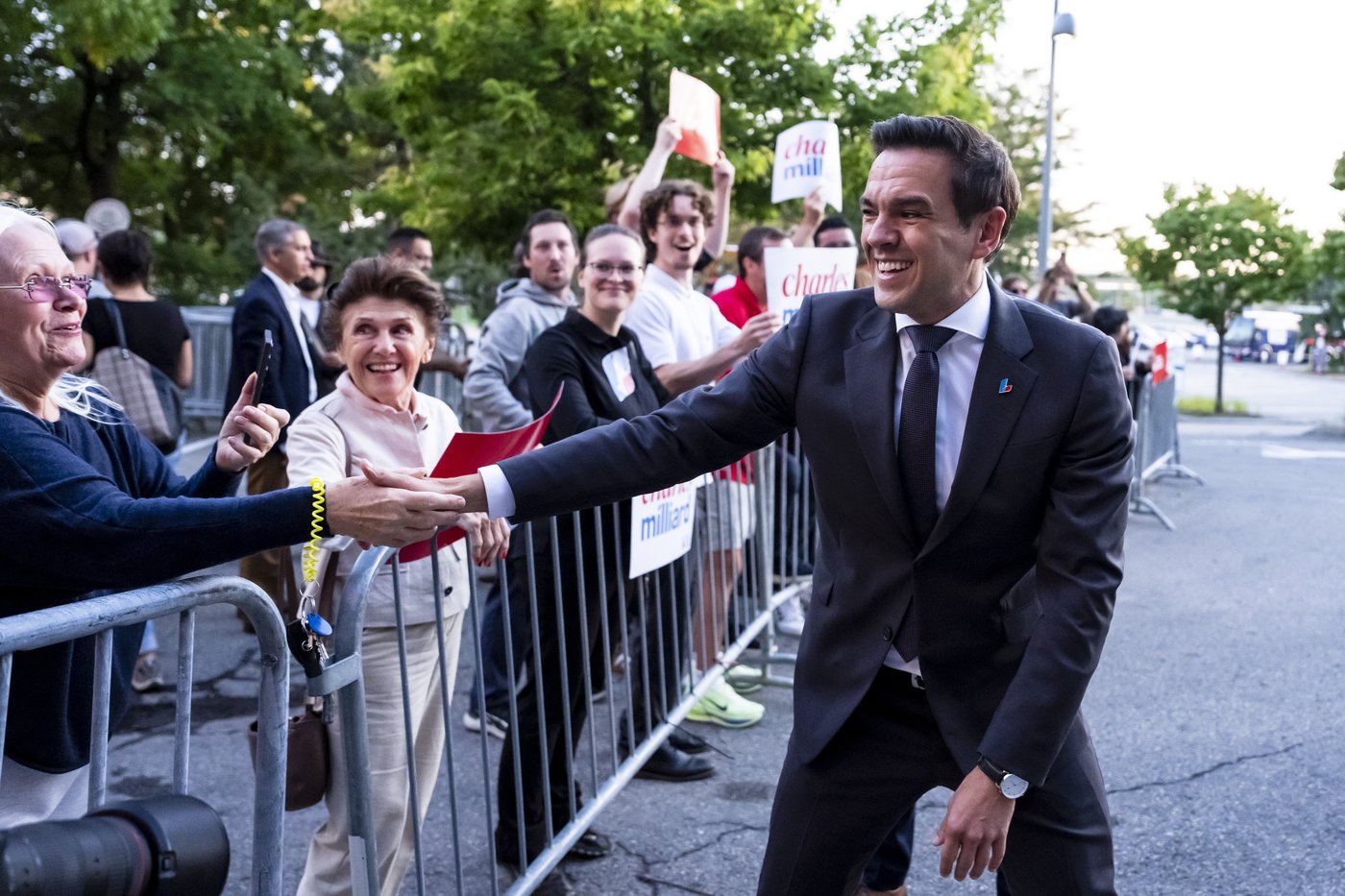
Fréchette has not said how she would vote on a sovereignty referendum. She warned that St-Pierre Plamondon’s plans could destabilize Quebec and harm its economy.
Fréchette also brought up the issue as she faced off one-on-one against some of the other party leaders about unrelated issues, prompting Quebec Liberal Leader Charles Milliard to remind her she was going off topic.
“Right now, you’re debating me,” Milliard said.
St-Pierre Plamondon, in a later segment, defended his referendum plans, saying that separation would give Quebec more control over its own future.
“I think that consulting people and reflecting on our future, in light of the fact that Quebec is in decline regarding the French language and its culture, are fundamental levers,” he said.

The themes of the 90-minute TV debate, hosted by Noovo, included the cost of living, finance and infrastructure, youth, health and protecting the French language.
Fréchette frequently came under attack over accusations she was part of a government that had wasted public money.
Duhaime pointed to her government’s decision to build a network of seniors’ homes “at $1-million per door,” as an example, counting her among Quebec politicians who “like to cut ribbons because it looks better than taking care of our dilapidated infrastructure.”
Fréchette fired back at Duhaime on his choice of candidates, saying he had “six or seven” who were pro-Trump.
The PQ and CAQ leaders were asked whether they supported cutting electricity exports to the United States in response to the escalating trade war.
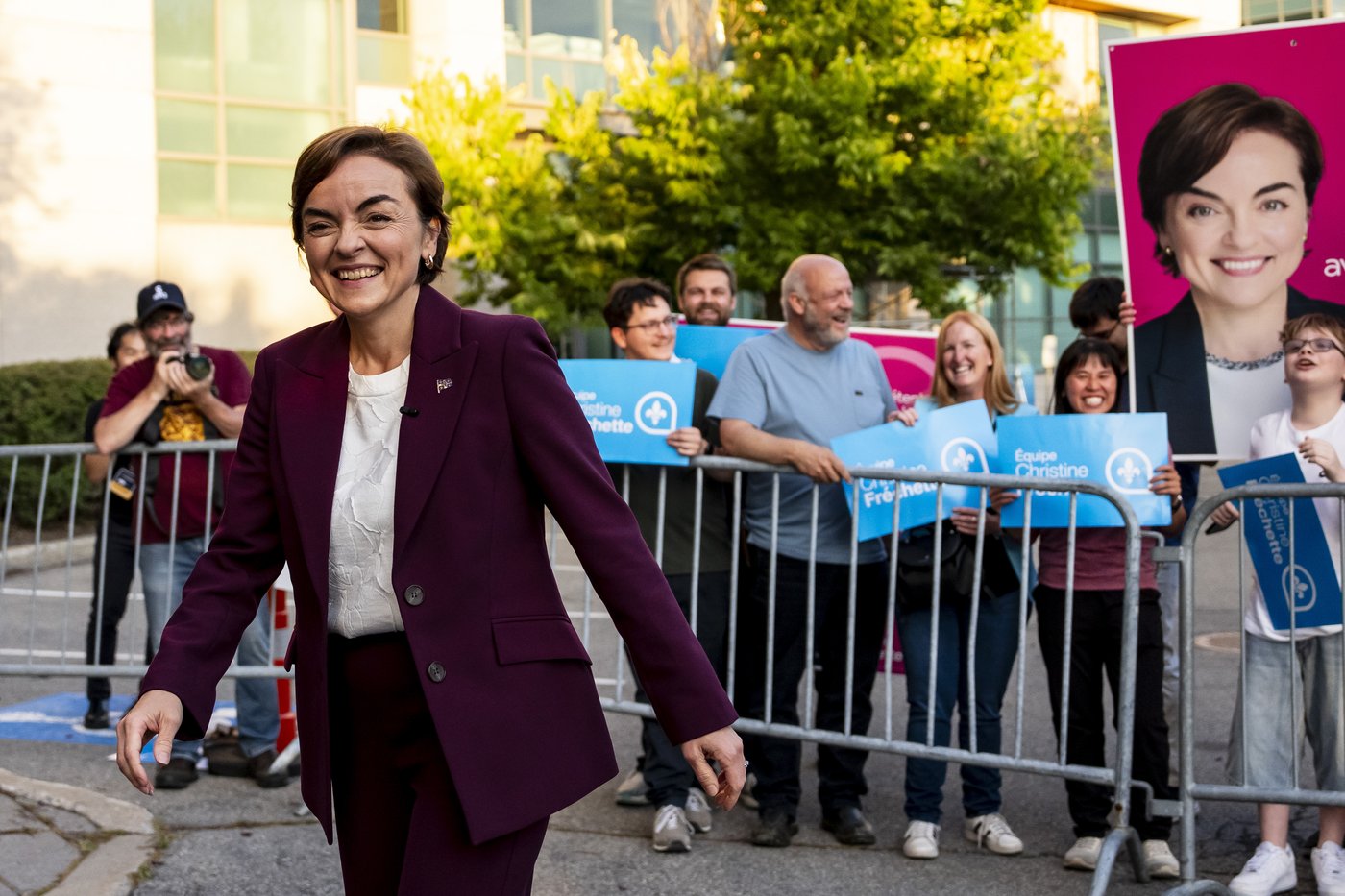
Fréchette said she wouldn’t rule it out, although it wasn’t her first choice. St-Pierre Plamondon said he was “a bit surprised” to hear Fréchette was opening the door to escalate tensions with the United States.
“Me, I’m not in that school of thought,” he said.
The debate came hours after U.S. President Donald Trump signed a memorandum directing federal agencies overseeing government procurement in the United States to remove all products of Canadian origin. The move is the latest escalation of the trade war by the Trump administration after negotiations between Canada and the United States broke down last month.
Québec solidaire co-spokesperson Ruba Ghazal and Conservative Leader Éric Duhaime also debated strategies to address climate change. Duhaime suggested Quebec should exploit its natural gas resources through fracking to displace other fossil fuels.
Ghazal said Duhaime was proposing to pursue exactly what Trump wanted Quebec to do, and said the province should instead keep up with other jurisdictions that are growing their clean energy sectors.
Ghazal also said her party was the only one that wasn’t proposing to trim the size of government.
“When we’re in a crisis because of the tariff war, everyone including big businesses, who do they turn to? They turn to the state,” she said.
Later, a debate segment on protecting the French language led to a testy exchange between Milliard and Duhaime.
Duhaime highlighted his immigration plan to favour immigrants from democratic countries over others, and said Quebec children should have priority for daycare spots over the children of asylum seekers.
“I’m not going to try to win this election on the backs of children of asylum seekers,” Milliard said in response.
The candidates were also divided on the role that the private sector should play in the province’s struggling health-care network.
Both Duhaime and Fréchette said they were in favour of letting patients be treated in the private system without paying out of pocket when wait times grow too long, though Millard accused Fréchette of distancing herself from the public system.
Fréchette said the Coalition Avenir Québec government needed time to overcome budget cuts from the former Liberal government, which was last in power in 2018, prompting a rebuke from the Liberal leader.
“You attended about 150 cabinet meetings since you’ve been in politics,” Milliard said. “Stop blaming Pierre, Jean and his sister for all of the problems in health care.”
St-Pierre Plamondon also challenged Duhaime on his promotion of private care, suggesting doctors will simply “change address” from the public to the private system “while charging 35 per cent more.”
Wednesday’s debate was the second of three planned exchanges between the leaders of the five parties.
The final debate will air on Radio-Canada on Sept. 23.
This report by The Canadian Press was first published Sept. 16, 2026.
News from © The Canadian Press, . All rights reserved.
This material may not be published, broadcast, rewritten or redistributed.

This site is protected by reCAPTCHA and the Google Privacy Policy and Terms of Service apply.
Want to share your thoughts, add context, or connect with others in your community?
You must be logged in to post a comment.