Elevate your local knowledge
Sign up for the iNFOnews newsletter today!
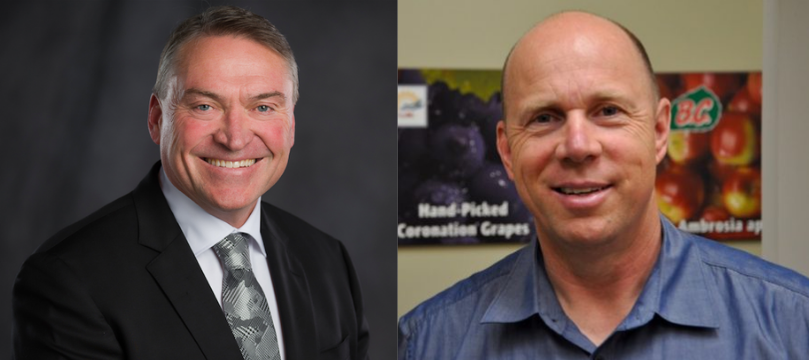
Kelowna city hall’s ties to the Central Okanagan region have been eroded over the past four years, and both front-running mayoral candidates are calling for a change in course.
Tom Dyas and Ron Cannan both suggest Kelowna is subsidizing its neighbours in the region, but the challenger said city decisions, including those that further insulate the city from its neighbours, should be done more transparently.
“That’s a difference in style of leadership,” Cannan told iNFOnews.ca. “Every meeting in the mayor’s task force were closed meetings… That’s one of the things we’re trying to do is shine the light of transparency on city hall.”
In the past four years, Kelowna has de-regionalized its RCMP detachment, offloaded emergency management back to the Central Okanagan regional district and considered charging non-residents highers fees at Kelowna recreational facilities.
The latest move under Dyas has been to remove Kelowna from the region’s economic development commission.
“You can’t blame the (regional district) for not delivering what you wanted to do if you didn’t give clear direction,” Cannan said. “It’s like getting fired because you didn’t do your job, but somebody didn’t tell you what your job duties are.”
That effort came following a recommendation from the Dyas’ task force committee rather than from city council, and it caught pushback from the regional district. Outgoing board chair and Kelowna city councillor Loyal Wooldridge said Okanagan communities should stick together, rather than go out on their own in a strained economy.
The move has since been deferred, but Cannan said he would look to revisit the commission’s role rather than moving it under a new city hall bureaucracy as Dyas has called for.
Policing has changed under Dyas, too, with Kelowna RCMP once overseeing detachments across the region. West Kelowna and Peachland are now have their own leadership, while Lake Country is on its own.
Outgoing West Kelowna mayor Gord Milsom said the move was “like a divorce.” He acknowledged Kelowna may have been paying more than its fair share, but he said the smaller city was willing to consider higher fees rather than splitting the detachments.
But Cannan said the move made sense.
“There were police officers being used out of the Kelowna market either in West Kelowna or Lake Country, so it’s a better cost control,” he said, adding a new regional policing model could be considered in the future.
There is “a time and place” to cooperate with neighbours, Cannan said, suggesting he would work with neighbouring councils for a regional approach to homelessness.
iNFOnews.ca reached out to the Dyas’ campaign for an interview, Oct. 7, to discuss how he plans to work with neighbouring Okanagan communities. He responded, Oct. 9, with a written statement instead.
“We need to make sure they’re getting their fair share and that the services they fund are meeting their needs. That’s why we’ve supported changes to the regional policing model and are bringing economic development in-house, so we can better respond to what Kelowna businesses need to grow, attract investment and create good-paying jobs,” his statement reads.
Dyas touted his recent record of cooperating with Okanagan leaders to lobby for bail reform and mandatory care at the Okanagan Correctional Centre near Oliver.
“I will always work to get the best deal for Kelowna, whether that means bringing our partners together with a shared voice or making changes to ensure our residents receive good value,” he wrote.
News from © iNFOnews.ca, . All rights reserved.
This material may not be published, broadcast, rewritten or redistributed.

This site is protected by reCAPTCHA and the Google Privacy Policy and Terms of Service apply.
Want to share your thoughts, add context, or connect with others in your community?
You must be logged in to post a comment.