Elevate your local knowledge
Sign up for the iNFOnews newsletter today!
TORONTO — Kerry Holt never expected she’d become a food bank client.
After losing her job nearly a year ago following major surgery, Holt said it became increasingly difficult to balance her rent, extra bills and provide for her three children.
She would have only one meal a day, suffering from fainting spells a few times, before being diagnosed with an iron deficiency because of her lack of eating.
“I was doing everything I could to find work,” she said. “My groceries and bills were so high.”
Now, Holt visits her local Indigenous food bank twice a month, always on the look out for eggs, milk, bread, granola and sometimes produce when it’s available.
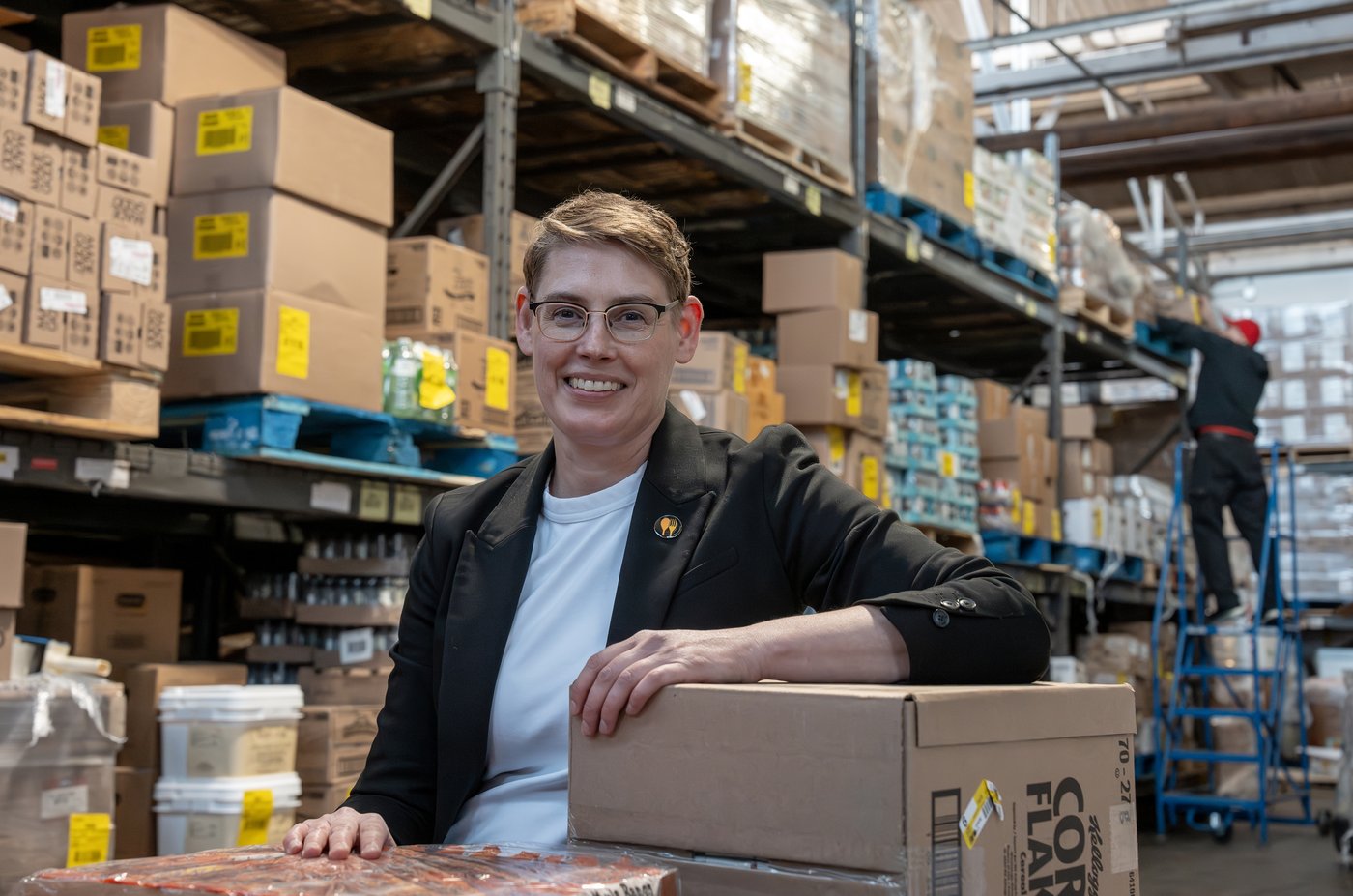
“With food prices, anyone could need the food bank at any point,” she said.
A new report from Food Banks Canada says the number of Canadians struggling with food insecurity continues to grow, as food bank visits hit a new record of more than 2.3 million in March.
The non-profit organization’s latest HungerCount report, released today, says the cost-of-living crisis and economic pressures are weighing heavily on nearly 10 million Canadians experiencing food insecurity.
Its annual survey recorded more than 2,355,000 visits to food banks across Canada in March 2026, an 8.7 per cent increase from the March 2025 record of more than two million visits.
The report says more than a third of this year’s food bank visits, or nearly 776,000, were made by children.
Food Banks Canada CEO Kirstin Beardsley says people are “running out of options” as they try to balance essential spending, such as paying rent, with rising grocery costs.
“A lot of folks who used to give to food banks are now finding themselves in need of those services,” Beardsley said.
The HungerCount report says that since 2021, food prices increased by about 30 per cent, housing costs by 28 per cent and transportation by roughly 24 per cent.

One in five food banks across Canada are reportedly running out of food before meeting the needs of all their clients.
“A job is not enough to ensure that you are not in need of a food bank anymore,” she added. “There’s no other room in their budget to do anything.”
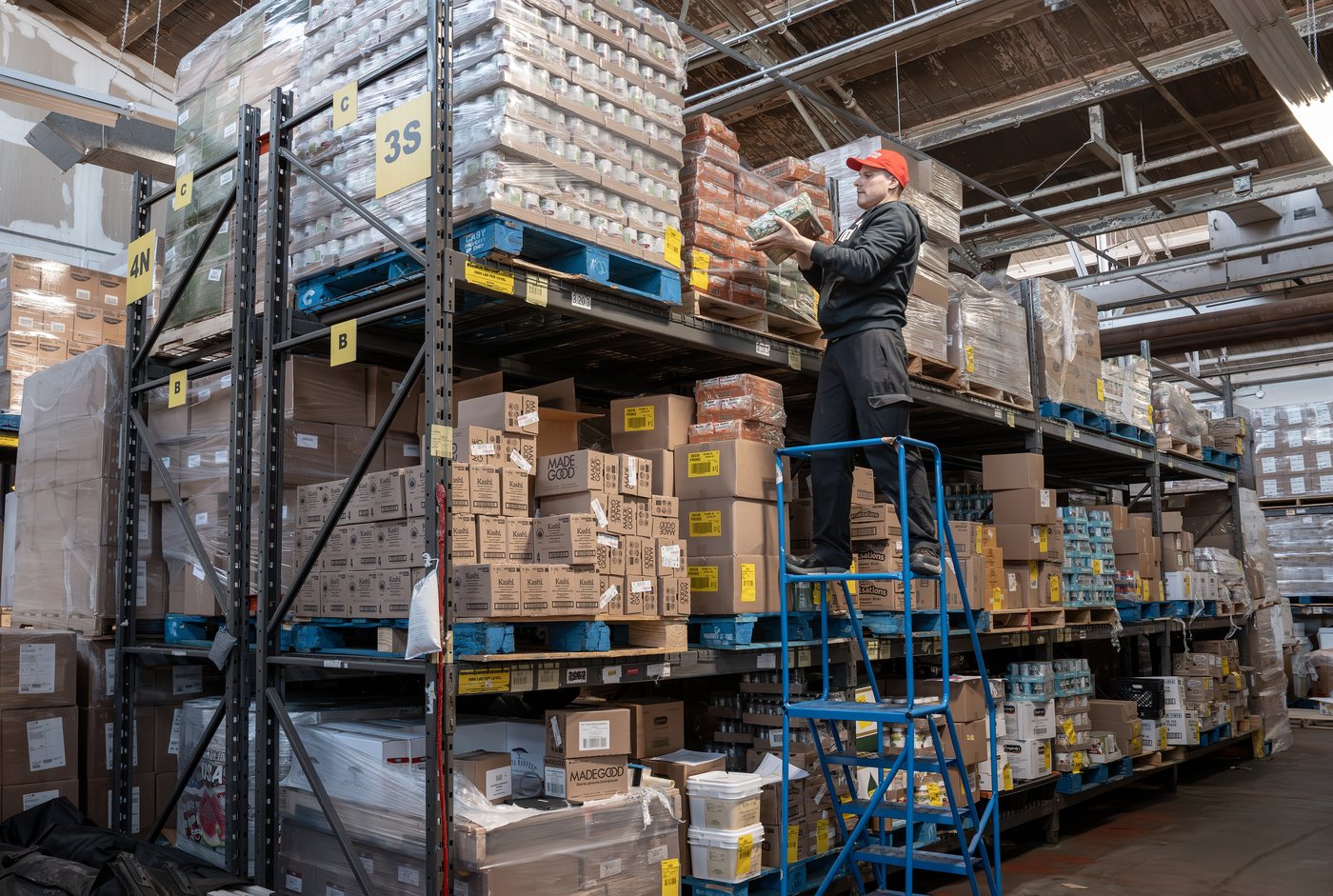
Linda Barker has been a volunteer for 15 years at the North York Harvest Food Bank, where she spends two to three days a week sorting through food donations and packing up dozens of boxes.
Barker, an avid runner in her mid-70s, said she’s been on the lookout for baby diapers to put into emergency essentials boxes for clients who need supplies last-minute. With a small team of five other volunteers, they spend their Wednesday morning moving like a well-oiled machine.
“The need is far more pressing than people realize,” she said.
Beardsley said the federal government’s new Canada Groceries and Essential Benefit is one “positive investment,” but it’s not nearly enough to bridge the gap she’s seeing at the community level or in northern regions, where groceries are sold at higher prices due to transport costs.
The report includes a number of policy recommendations, such as doubling the Canada Workers Benefit for low-income residents, expanding food sovereignty initiatives in the North and investing up to $500 million toward food bank infrastructure to meet the demand.
Ottawa Food Bank CEO Natalie Spooner said she’s seeing a “concerning” influx of food clients visiting food banks in Ottawa, mainly children and young adults.
The non-profit tries to budget for fresh produce to provide nutritious options for its clients, since that’s become unaffordable.
The organization’s clients rely heavily on local food banks, where supplies are mainly provided through community donations.
Fundraising for donations while having a limited budget comes with its own challenges when everyone is struggling economically, Spooner explained.
“Food insecurity severity is becoming more dire,” she said. “We are seeing some exhaustion in the network.”
This report by The Canadian Press was first published Oct. 21, 2026.
News from © The Canadian Press, . All rights reserved.
This material may not be published, broadcast, rewritten or redistributed.

This site is protected by reCAPTCHA and the Google Privacy Policy and Terms of Service apply.
Want to share your thoughts, add context, or connect with others in your community?
You must be logged in to post a comment.