Elevate your local knowledge
Sign up for the iNFOnews newsletter today!
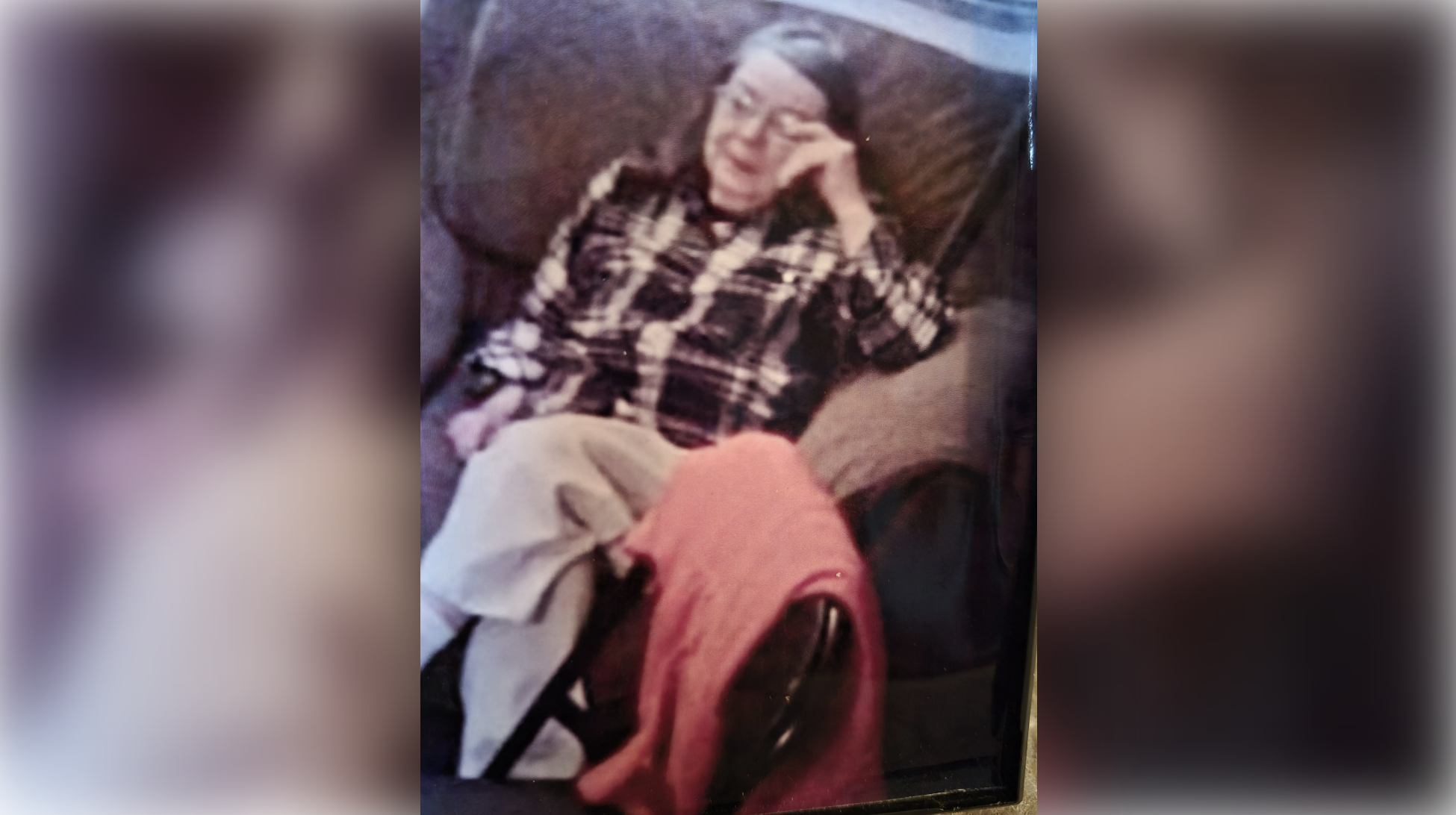
Darcie Robinson knew that seeing her deceased mother’s body at the morgue wouldn’t be easy.
An RCMP investigation into Darcie’s mom’s death meant it was more than 50 days before she was allowed to see her body. She was told she couldn’t touch her mom, and braced herself for the smell.
“What they don’t tell you is when you see a body and you’re in a small area with a body that’s that dead, is you actually taste the body,” Darcie told iNFOnews.ca. “You taste it, it’s in the back of your throat.”
Darcie’s mom, Marilyn Robinson, died hours after being taken to a hospital in Chilliwack on June 23, 2019. She was 75 years old.
Paramedics had been called to a campsite where Marilyn had been living in a car with her daughter and Darcie’s sister, Elizabeth Mary Joy Robinson. They found the 75-year-old in a deplorable state.
Marilyn, who had suffered from dementia for several years, was sitting in the backseat of a filthy car, covered in feces and urine, and wearing two layers of diapers. She had dead tissue on the back of her leg, and her fingers were purple.
A doctor later found open wounds and rotting flesh on her tailbone that had been there for some time. The feces was cast onto her skin.
Hospital staff called police, and two years later Elizabeth was charged with failure to provide the basic necessities of life and criminal negligence causing death.
“It was five months that my mom had been missing,” Darcie said.
During that time, Darcie didn’t know where her mother was, and only found out the details of her mom’s death during her sister’s trial, which took place five years after her mom had died.
Before her death, Marilyn had been living in a car for 89 days.
It’s a far cry from Darcie’s memories of her mother raising her in Penticton in the 1970s.
“She was just a good woman,” she said. “She was tiny, but she was tough. She was stubborn, but understanding.”
Darcie said her mom was well known and loved by all the neighbourhood kids.
“Going on a five-minute walk with her would take 45 minutes because she would stop and talk to everyone, pet every animal on the way,” she said. “My mother could meet five people every day and have enough love for each and every person she met each and every day and still come home and have enough love for every kid and every friend and every family member.”
Darcie now finds it difficult to wrap her head around the entire situation.
For 15 years, Marilyn had rented the basement suite from a good friend, Meena Kumar.
“It was a very stable home, it was her best friend upstairs,” Darcie said.
Kumar saw Marilyn’s cognitive decline over the years as her dementia worsened.
Her personal hygiene and tidiness began to deteriorate, so Kumar encouraged her to wash and brought her food. She’d stay with her while she ate to make sure she finished her meals.
As the situation worsened, Kumar became concerned Marilyn was unable to look after herself and contacted Marilyn’s son, Donovin Thompson.
It was 2017 when Thompson moved in to help his mother.
He kept the place tidy, did his mom’s laundry and made her meals.
But in the fall of 2018, while working in the Downtown Eastside in Vancouver, he was attacked by a pit bull.
He spent five days in hospital and called Kumar, who stepped in to care for his mother.
However, during those few days away, Elizabeth returned from Ontario and took Marilyn away.
“He got home, and my mother was gone, and the house was empty, and we never saw my mom again,” Darcie said.
Darcie said she didn’t think her mother had much money, but what she had was drained from her bank accounts. Her phone was disconnected.
She called the police and reported her mother as missing.
“It’s senior abuse at its largest,” she said, adding that the living situation with her brother was going well.
”We were not ever going to even discuss Elizabeth being with mom unless Elizabeth had her own home and had a clean home.”

Darcie said Elizabeth had been living in Ontario for a few years and throughout her life had rarely, if ever, worked.
She doesn’t understand why Elizabeth, who’s in her mid-50s, would want to take her mother.
“(Marilyn) lived paycheque to paycheque. There was never an inheritance or anything like that,” she said.
Testimony given at trial found that Elizabeth had, together with her partner, Callum Smith, gone to live in an apartment in Mission.
But they’d had to move out because the person’s who apartment it was committed suicide.
It was the last stable housing Marilyn had before she died.
After that, they stayed at campsite sites and lived in Elizabeth’s car.
At one point they went to Langley Memorial Hospital to refill a prescription, and Marilyn was put on an IV and prescribed 22 medications.
But Elizabeth did not believe that the medication was necessary, and they left.
“The nurses were practically begging her, ‘You know, your mom is really, really sick. Please leave her here,’ and my sister kept saying, ‘No,’” Darcie said.
When a nurse went to get a discharge form, Elizabeth removed Marilyn from the hospital, the IV still in her arm.
When paramedics arrived, Elizabeth told them her mother hadn’t gotten out of the car for four days. She appeared emaciated.

Darcie had no idea the situation was so bad.
“Even if she made poor choices, (I) didn’t think this would happen. Worst scenario, I thought maybe she would… take mom out of the province and live somewhere else,” she said.
Over the six months Marilyn was gone, there was one interaction with the police, but at the time Marilyn was OK, and nothing came of it.
She said Elizabeth is very manipulative.
Darcie said Elizabeth has no history of alcohol or substance abuse, and no known psychiatric illness or criminal record.
“Obviously this is nothing a sane person would do,” she said.
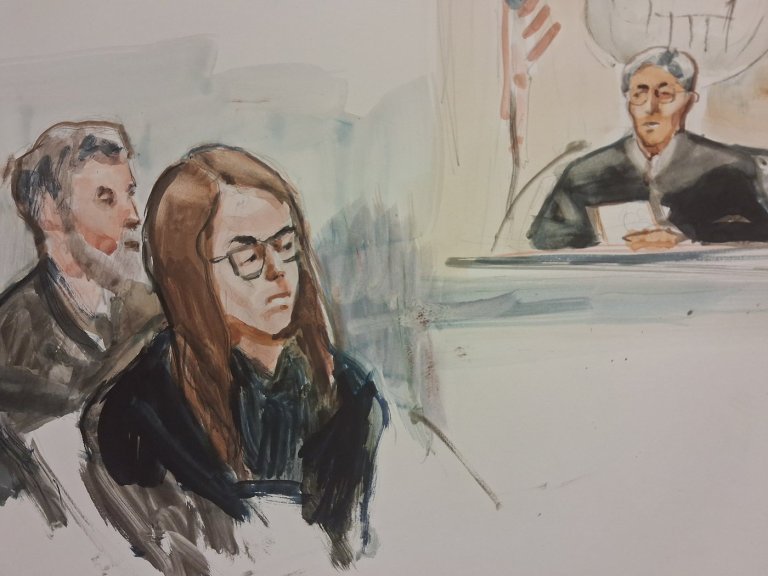
Throughout the trial that lasted almost three weeks, Elizabeth represented herself.
“She was trying to make it sound like we all knew where mom was and we weren’t concerned,” she said. “It’s not true, not true at all. We didn’t even have a phone number for her.”
Without a job, Elizabeth would have easily qualified for legal aid but didn’t get herself a free lawyer.
“I believe that probably no lawyer was going to represent her… with a not guilty (plea),” she said. “She smiled every day in court.”
Prior to her mother’s disappearance, Elizabeth said she’d see her mom once or twice a month. She now struggles to grasp what happened.
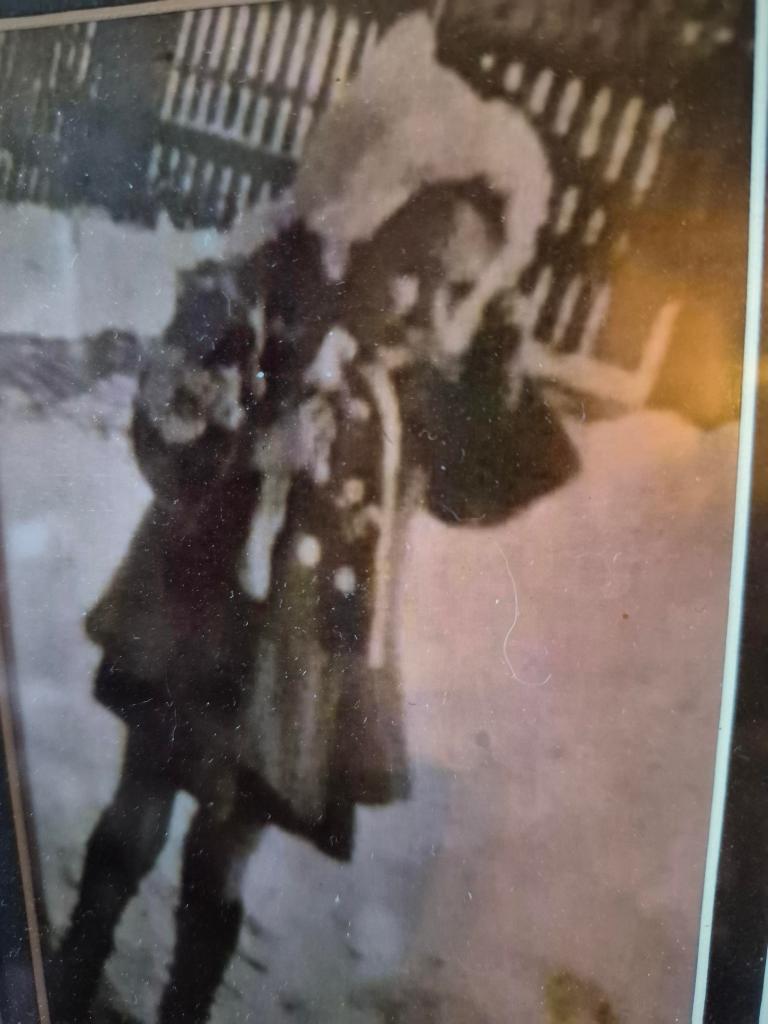
Her mom’s stuff is all gone, and photos and other family heirlooms have disappeared. She’s been left with three very grainy photos of her mother.
The charge of criminal negligence causing death was dropped and in July, Elizabeth was found guilty of failure to provide the basic necessities for life.
“This should have been murder. This should not have been the charge that she got,” she said.
“She is going to get away with murder.”
The stiffest jail sentence that Elizabeth can get is five years, and Darcie has braced herself that her sister may not even be given time behind bars.
“And I’ve been trying to emotionally stabilize myself if I hear that,” she said. “I feel like there’s no reason why she shouldn’t go to jail.”
Elizabeth is scheduled to be sentenced in April next year. Until then, she’s out and about on bail.
News from © iNFOnews.ca, . All rights reserved.
This material may not be published, broadcast, rewritten or redistributed.

This site is protected by reCAPTCHA and the Google Privacy Policy and Terms of Service apply.
Want to share your thoughts, add context, or connect with others in your community?
You must be logged in to post a comment.