Elevate your local knowledge
Sign up for the iNFOnews newsletter today!
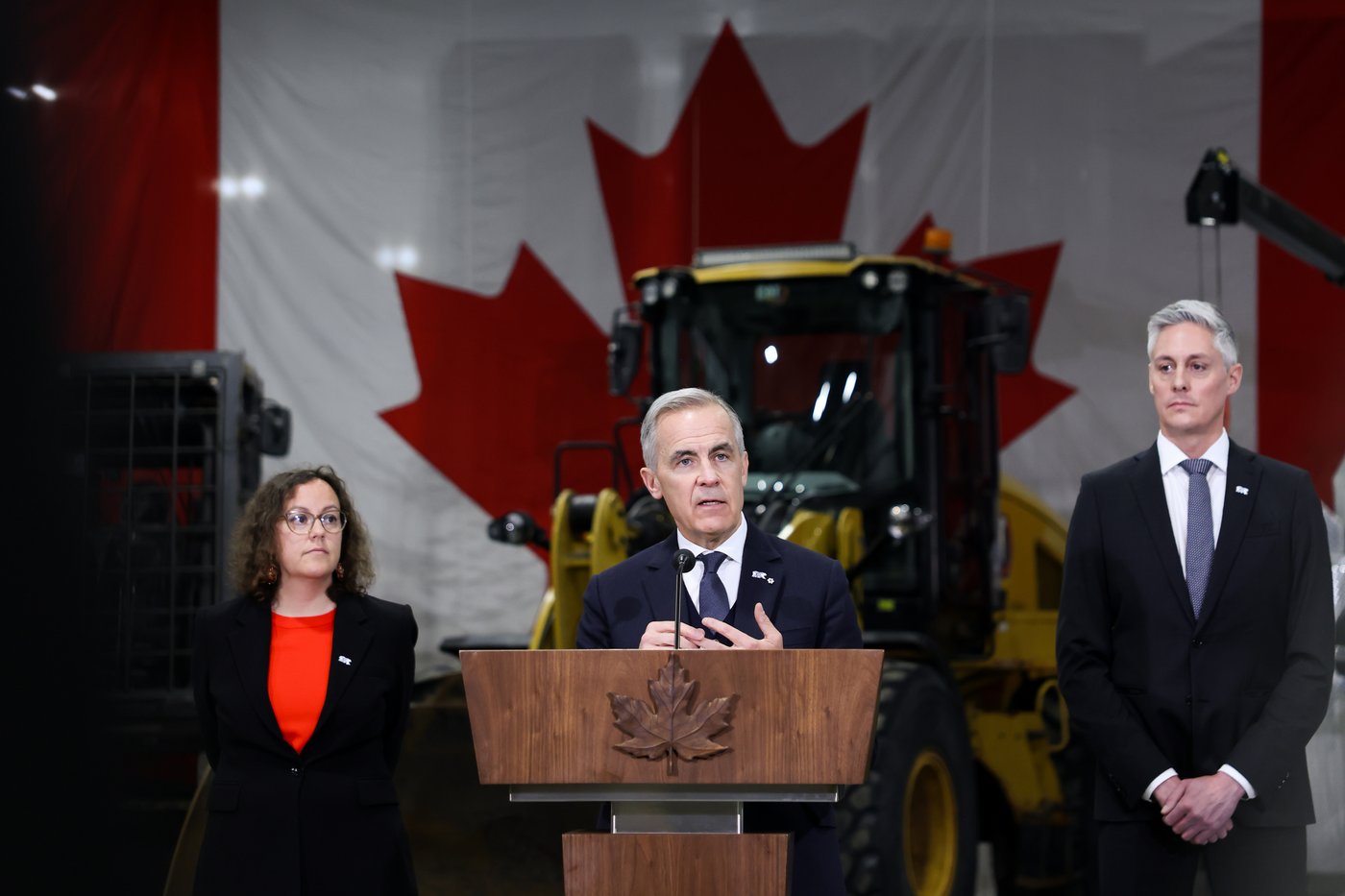
YELLOWKNIFE — The federal government on Friday prioritized construction of a critical road in the Northwest Territories by designating the Mackenzie Valley Highway as a project of national interest.
The proposed 800-kilometre highway would offer year-round access to isolated communities in the North and is expected to open new opportunities for resource extraction and security in the Arctic.
Once complete, it would run the length of the Mackenzie River, north of Wrigley, before connecting with the Dempster Highway, south of Inuvik.
Ottawa said this would reduce the road distance between Yellowknife and Inuvik by 1,300 kilometres, cutting a 38-hour drive to 23 hours, and making deliveries of food, medicine and construction materials in the region more reliable.
The project is 70 years in the making, Prime Minister Mark Carney told a news conference in Yellowknife.

“Generations of northerners have waited for this moment. I have myself,” said Carney, who was born in the territory town of Fort Smith.
“These roads will open the way to better lives, more opportunities and a stronger more sovereign Canada.
“It is beyond time, beyond time to connect the North.”
Previous federal and territorial governments have supported construction of the highway. Various iterations of the proposed road have been studied since 1958.
Ottawa said more than 10,000 people, or roughly 22 per cent of the territory’s population across 12 communities, would benefit from improved transportation access. That includes the 1,900 in the Sahtu region, who would gain access to an all-season road for the first time.
The major projects office estimates about 3,000 workers would be employed at the peak of construction.
The federal government put $3.1 billion aside in Budget 2026 for the highway. Ottawa said in background documents on Friday that the capital cost for construction is expected to be $4.2 billion.
Government officials who briefed reporters ahead of the announcement said estimates for the maintenance share of the highway haven’t been finalized.
The territorial government is the primary proponent of the Mackenzie Valley Highway project.
N.W.T. Premier R.J. Simpson, standing with Carney at the announcement, said the highway is key to unlocking mineral and petroleum resources and providing economic opportunities.
He said everyone in territory who is able and willing to work on the project will get the opportunity.
“Construction of the Mackenzie Valley Highway alone will take more workers than we have in the territory, so we know we’ll need support from our southern neighbours,” Simpson said.
Designating a project in the national interest under the Building Canada Act means Ottawa plans to streamline federal regulatory approvals and other reviews needed to get a development moving.
The Mackenzie Valley Highway is the first project in the North named to the major projects list. Ottawa listed the Pacific Link oil pipeline and a planned expansion to the Port of Vancouver as projects of national interest in October.
The federal government said in its budget tabled earlier this month that it would fully cover the costs of construction and some maintenance expenses for the Mackenzie Valley Highway. Ottawa also pledged $405 million toward the project through the Arctic Infrastructure Fund in September.

While the major projects office helps co-ordinate regulatory processes, the federal government is also planning to launch a new Crown corporation in the coming months to manage development and construction of complex major projects.
The government said the Mackenzie Valley Highway would be the initial focus of the new major projects management entity.
The highway remains subject to treaty-based environmental assessment and regulatory processes.
If approved, construction of the Mackenzie Valley Highway could begin in late 2027.
On Wednesday, the federal and territorial governments signed a leadership governance understanding for the project with Sahtu Secretariat Inc., Gwich’in Tribal Council and Pehdzeh Ki First Nation.
A government news release said the agreement establishes a “collaborative framework for the highway’s governance, planning and long-term direction” with its Indigenous partners in the region.
The road would connect to several communities, including Fort Good Hope on the east bank of the Mackenzie River. It’s accessible by the river in the summer and by air year-round.
“I’m just really happy today that this has finally been announced. We’ve got some things to look forward to,” Chief Shawn Grandjambe said after the announcement.
He said the highway would provide financial relief to residents who face high costs of shipping in food and other goods. They would have the option of driving south for shopping.
Grandjambe and other northern leaders have said they’re concerned about increased access to drugs and alcohol.
“It’s there already. Right now, we just got to try and figure a way of how we can control the flow of it coming in,” said Grandjambe.
Bob Zimmer, federal Conservative critic for Arctic affairs and the Canadian Northern Economic Development Agency, said northern communities don’t need more announcements.
“They need shovels in the ground,” he said in a statement. “Northerners have heard plenty of promises but they are still waiting for a road.”
Mackenzie Valley Highway is part of what Ottawa has dubbed the “Northern Resilience Projects.”
The Grays Bay project would see a 230-kilometre all-season road run from the Northwest Territories-Nunavut boundary and stop at the Arctic coast, where there would be a port.
The Arctic Economic and Security Corridor is a proposed 400-kilometre, all-season road that would stretch north of Yellowknife and connect to Grays Bay road.
And the Taltson Hydro Expansion Project would double the hydro capacity in the Northwest Territories.
This report by The Canadian Press was first published Nov. 27, 2026.
— With files from Craig Lord in Ottawa
News from © The Canadian Press, . All rights reserved.
This material may not be published, broadcast, rewritten or redistributed.

This site is protected by reCAPTCHA and the Google Privacy Policy and Terms of Service apply.
Want to share your thoughts, add context, or connect with others in your community?
You must be logged in to post a comment.