Elevate your local knowledge
Sign up for the iNFOnews newsletter today!
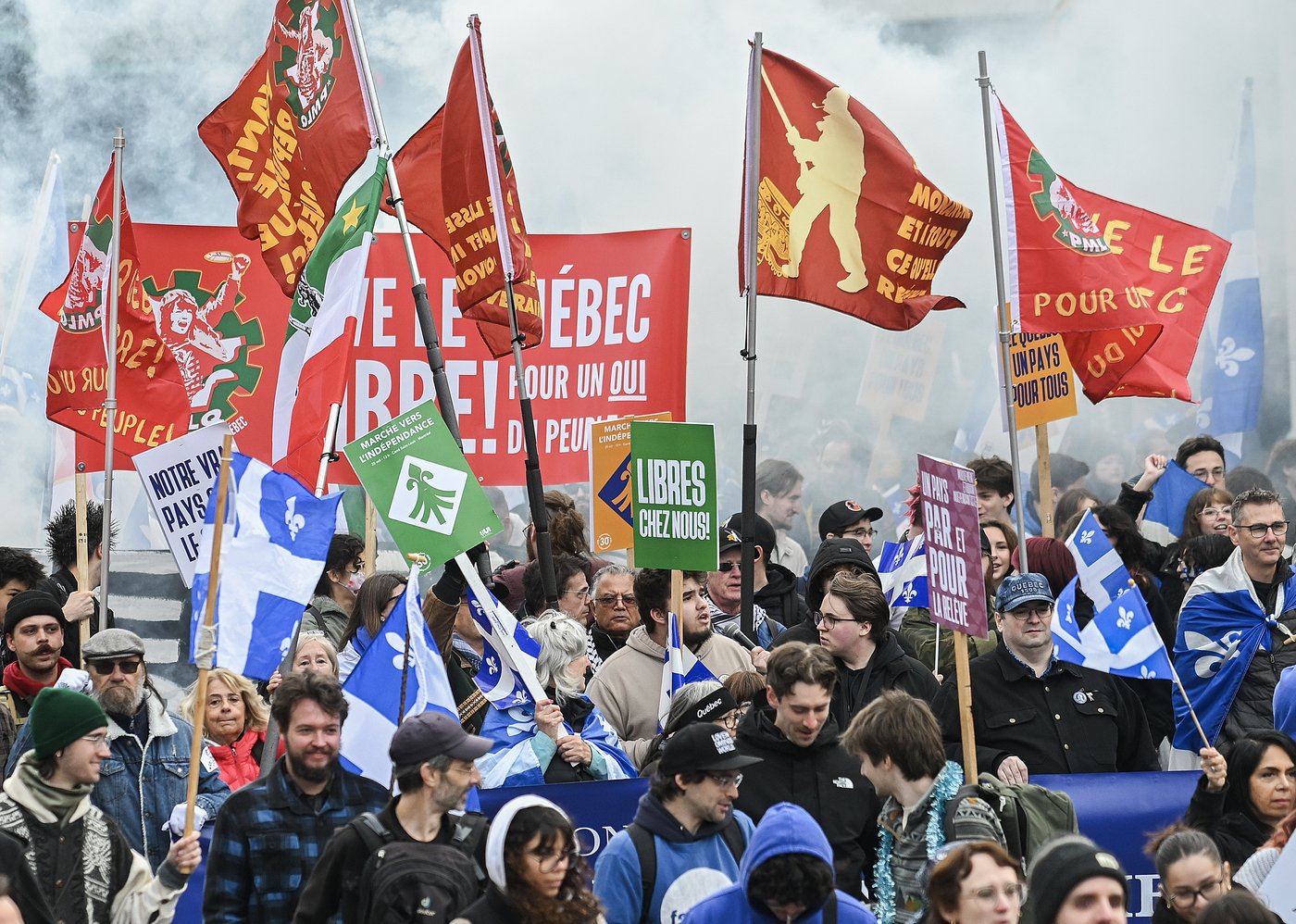
Charles Rousseau says he’s always believed in Quebec independence but it won’t be his top priority at the ballot box come Oct. 5, when the province chooses its next government.
In an interview outside a sovereigntist-themed coffee shop in Montreal on Thursday, the 27-year-old Masters’ student said he expects the tariff war and negotiations with American President Donald Trump to be top of mind for Quebecers during the electoral campaign.
“What has really dominated political discourse lately is inflation, the cost of living,” he said. “I get the impression that the sovereignty movement is losing some of its momentum as well. So, people are clearly concerned about this whole conflict.”
He added that despite having two parties making sovereignty a top priority, he’s “not interested in the proposals currently on the table.”
Rousseau’s concerns appear to reflect a shift in political messaging that is already emerging after the first day of the Quebec election campaign.
For months, it seemed the provincial election could hinge on the question of a sovereignty referendum. Parti Québécois leader Paul St-Pierre Plamondon, who has been leading in public opinion polls since 2023, promised a referendum on the issue in his first term if elected.
But the trade war with the United States is changing electoral priorities, experts say.
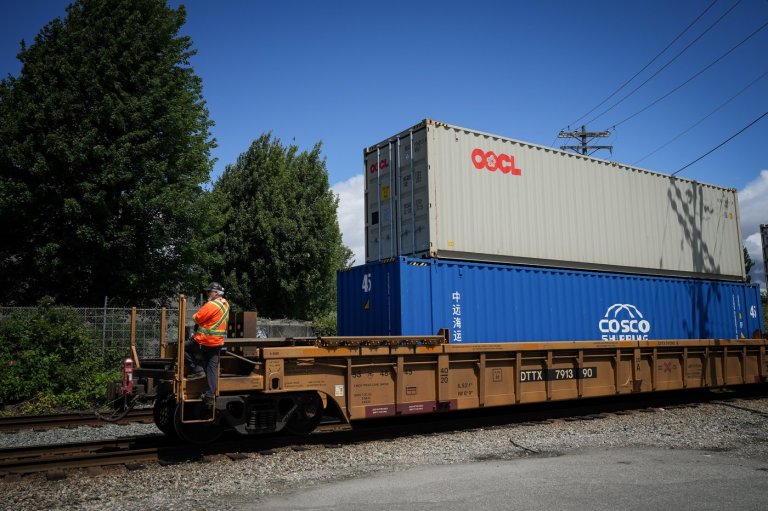
A new report released by National Bank a few days before the campaign began found that Quebec is facing the highest effective tariff rate on exports among all of the provinces.
It’s a situation that already appears to be placing St-Pierre Plamondon on the defensive as his opponents argue it would be unwise to separate while Trump is threatening Canadian sovereignty.
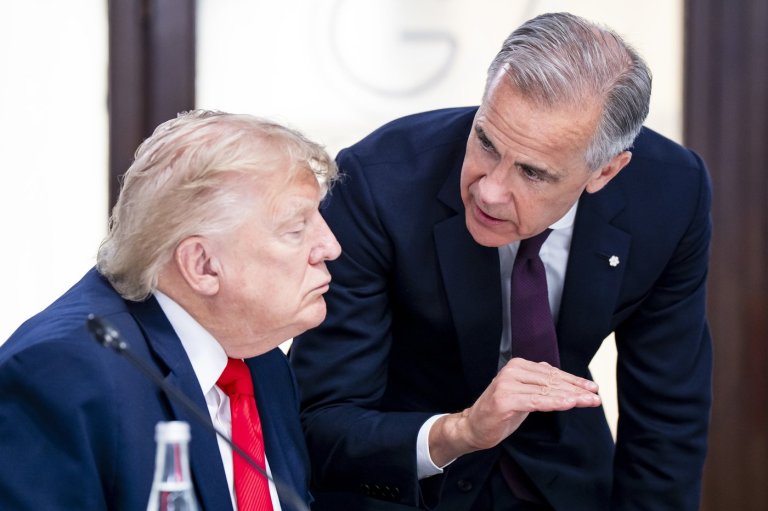
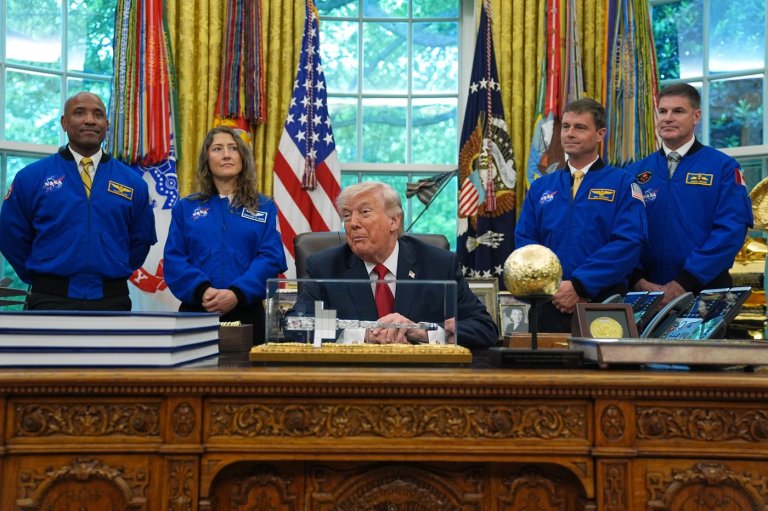
“My opponent is named Donald Trump,” said incumbent premier Christine Fréchette after dissolving the legislature on Thursday.
“He’s the real adversary.”
With polls showing that only about 30 per cent of Quebecers would vote for sovereignty in a referendum, St-Pierre Plamondon may need to appeal to federalist voters to win the election.
A week before the campaign began, he announced that a PQ government would not call a referendum until Trump is out of office in 2029.
Speaking to journalists Thursday, the PQ leader said his party would propose the best platform to weather the economic uncertainty caused by the trade war with the U.S. But, he urged Quebecers not to let Trump dictate the result of the election.
“Do not allow the Trump administration’s tactics to rob us of this important debate. Do not allow our election to be hijacked,” he said. “At the end of the day, it is up to us, the people of Quebec, to decide our future and our destiny.”
Ruba Ghazal, parliamentary leader of the leftist sovereigntist party Québec solidaire, promised to consult Quebecers on the question of sovereignty if elected. “It doesn’t depend on Trump or any other thing that is happening in the world,” she said.
But political analysts believe Trump’s influence will be felt throughout the electoral campaign after trade negotiations fell through last week.
Danielle Pilette, a political science professor at the Université du Québec à Montréal, compares the campaign period to the 2025 federal election, when Pierre Poilievre’s Conservatives seemed poised to win a majority government. Canadians then rallied behind Prime Minister Mark Carney and his Liberals in the face of tariff talks.
Carney also positioned himself as a defender of the French language and Quebec culture after the latest rounds of negotiations with the U.S., which Pilette believes could benefit Fréchette as the incumbent.
“We can see that public opinion is highly volatile in this unpredictable context,” she said. “In the face of that, the safe bet at federal level was the Liberals in the last election, whilst the safe bet in Quebec for this election seems to be the (governing Coalition Avenir Québec).”
According to Université de Montréal political science professor Evelyne Brie, support for Quebec sovereignty briefly went up, but quickly diminished after Trump was elected for a second term.
“I think it was a real disadvantage for the PQ in terms of timing, because Trump seems to have had a deterrent effect on grassroots sovereignty ever since he was sworn in,” she said. “People aren’t exactly thrilled to have an additional source of uncertainty if (the PQ) might be holding a referendum.”
Like Pilette, Brie says instability typically benefits those who are already in power.
But Stéphane Paquin, the director of a group for studies and research on international affairs and Quebec, says there are significant differences between Fréchette and Carney.
He says Carney was new on the political scene and gained credibility with his background in finance and policy. Fréchette inherited the Coalition Avenir Québec when former premier François Legault resigned after the party tanked in the polls.
“It’s easy to contrast Justin Trudeau and Mark Carney as a significant change,” said Paquin. “Christine Fréchette doesn’t have the same aura of competence as Mark Carney, and it’s going to be difficult for her to set herself apart from François Legault.”
Daniel Turp, a Université de Montréal law professor who represented both the Bloc Québécois and the PQ in Ottawa and Quebec City, agrees with Paquin. He points out that the PQ is still a favourite in the polls, with the Coalition Avenir Québec and Liberals neck-and-neck for second place.
Turp believes talks around Canadian sovereignty in the face of American threats could even benefit sovereigntist parties.
“What’s interesting is that sovereignty is clearly becoming an important issue,” he said. “I reckon that Paul St-Pierre Plamondon could say the same thing during the campaign, that if sovereignty is so important for Canada, it’s important for Quebec too.”
Nonetheless, all four analysts agree that anything can happen on election day as polls have shown most Quebecers are open to changing their voting intention.
“It’s going to be the most interesting campaign in recent history,” said Turp.
This report by The Canadian Press was first published Aug. 28, 2026.
News from © The Canadian Press, . All rights reserved.
This material may not be published, broadcast, rewritten or redistributed.

This site is protected by reCAPTCHA and the Google Privacy Policy and Terms of Service apply.
Want to share your thoughts, add context, or connect with others in your community?
You must be logged in to post a comment.